News · Nov 24
Deepest Known Explosive Eruption Rocks Found Near the Challenger Deep
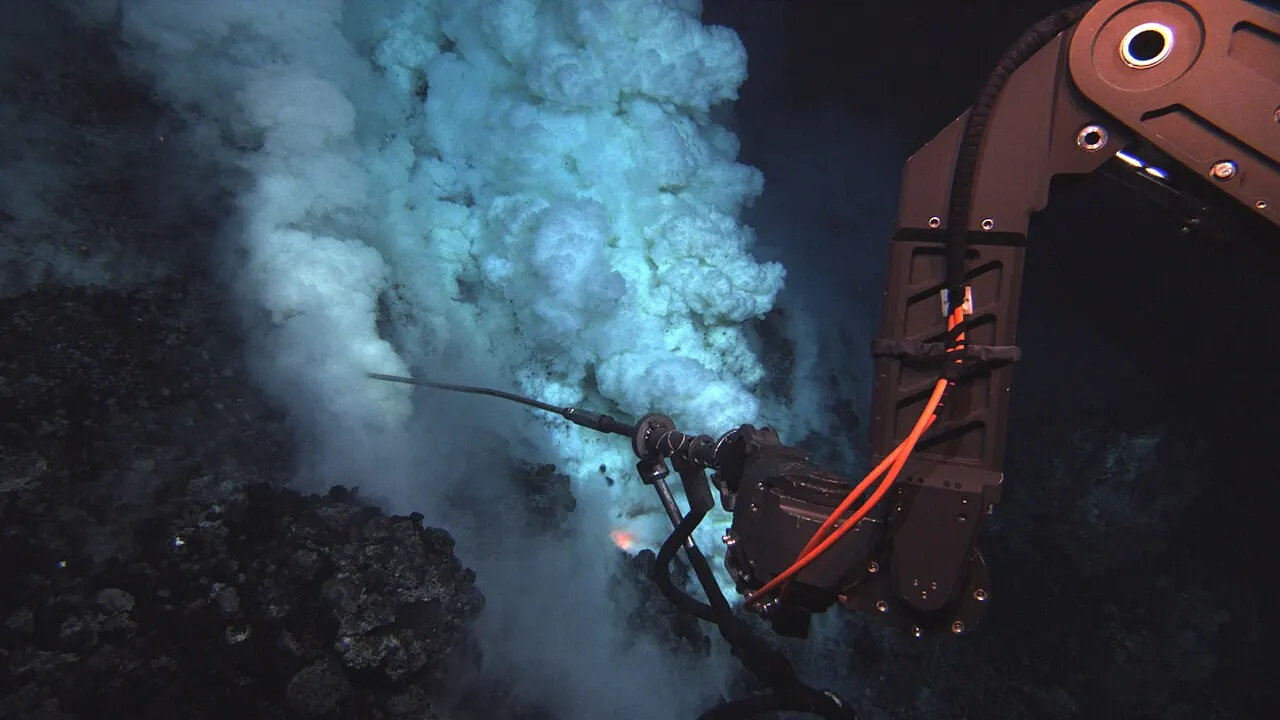
A robot diving more than 6 kilometers down southwest of Guam found flat, welded rock flows that its team says came from explosive deep-sea eruptions.
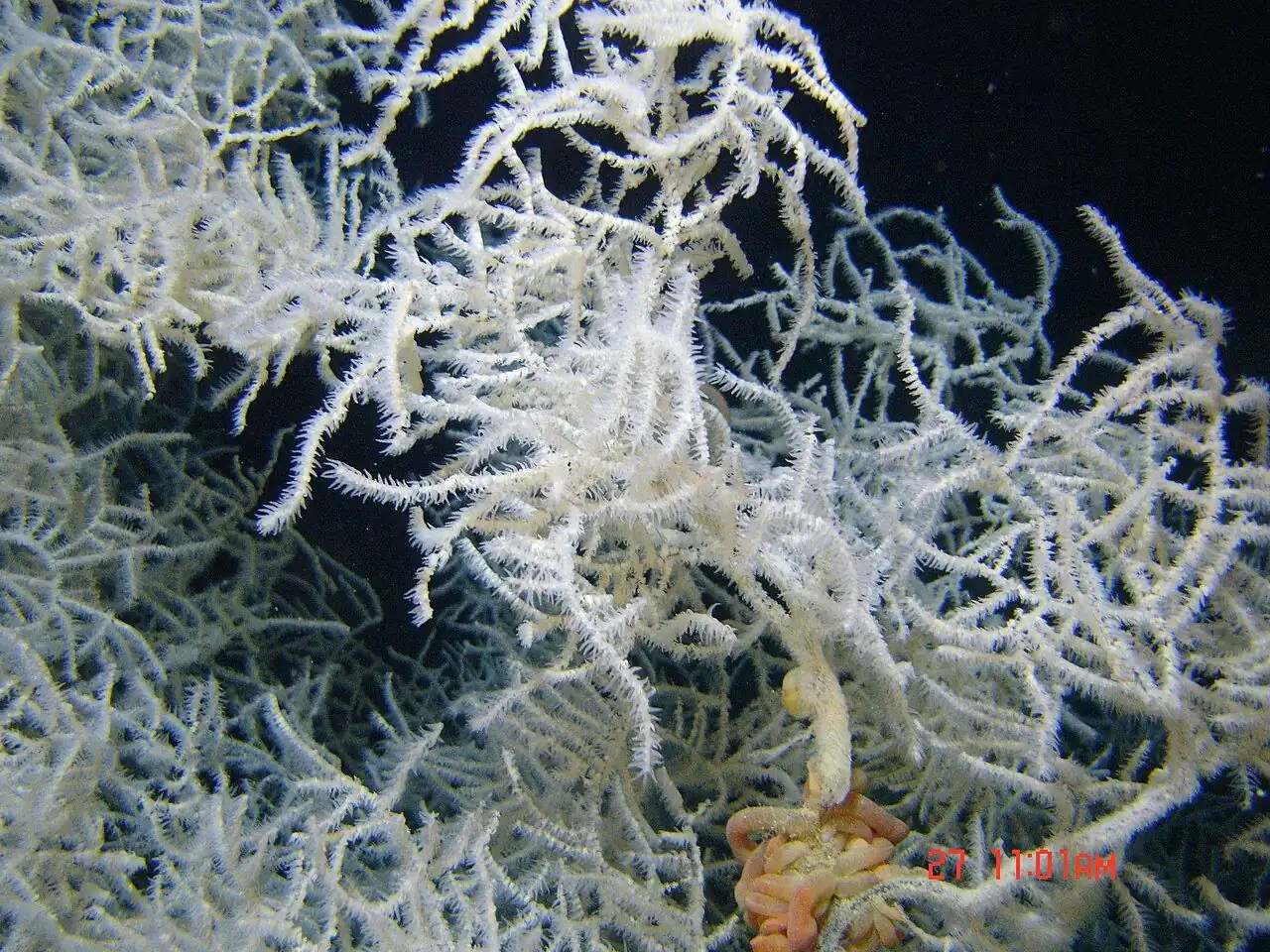
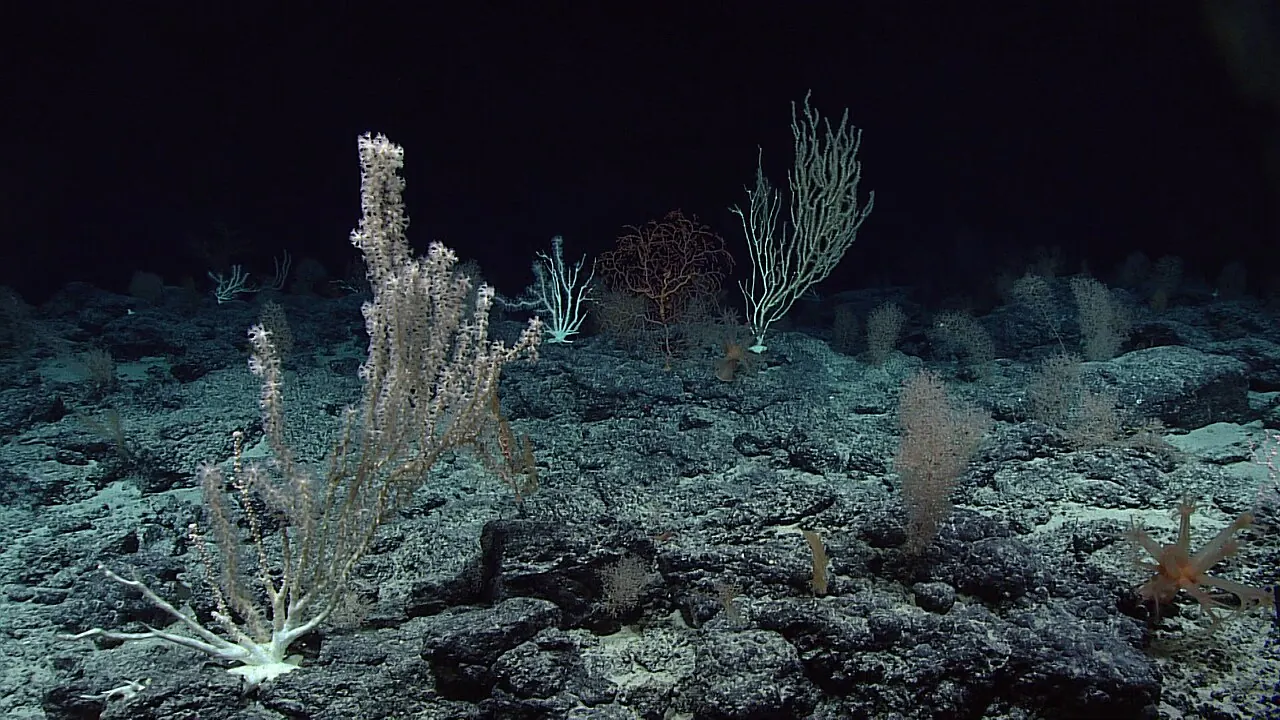
Radiocarbon dating of deep corals collected by submersible off Oahu found black coral and gold coral colonies thousands of years old.
Read the story →Photo: Lophelia II 2008: Deepwater Coral Expedition: Reefs, Rigs, and Wrecks / Public domain
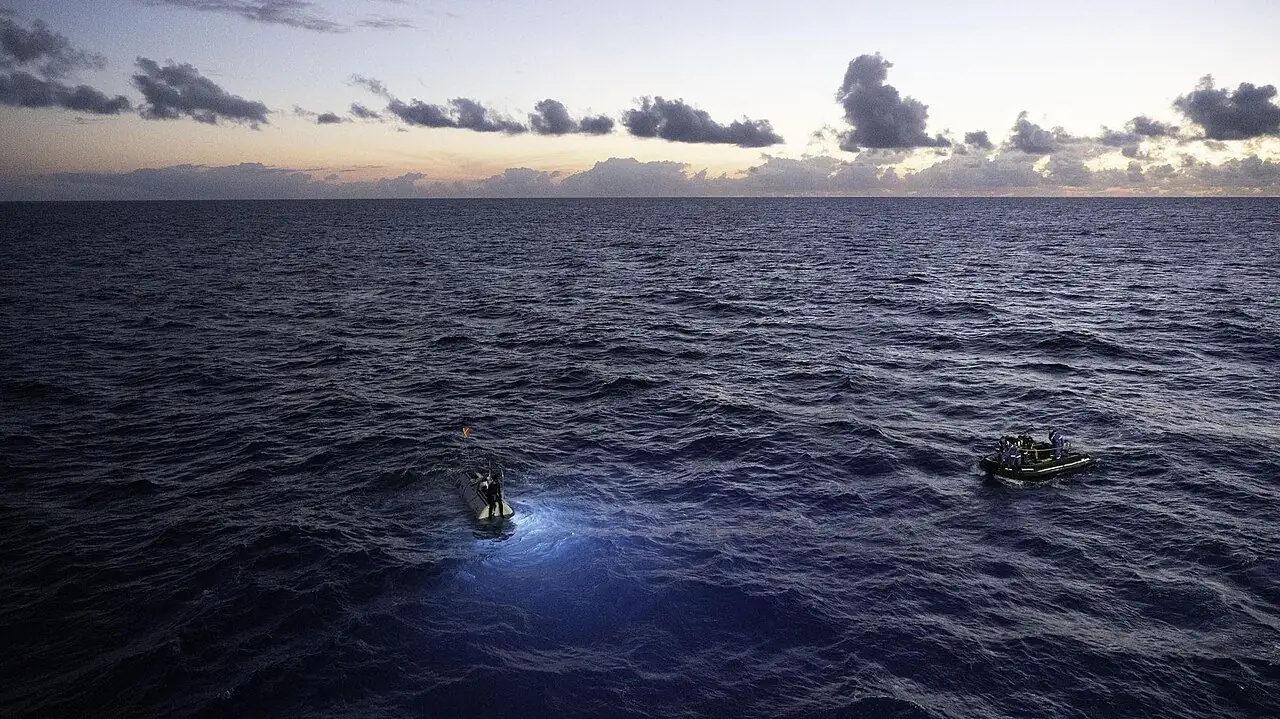
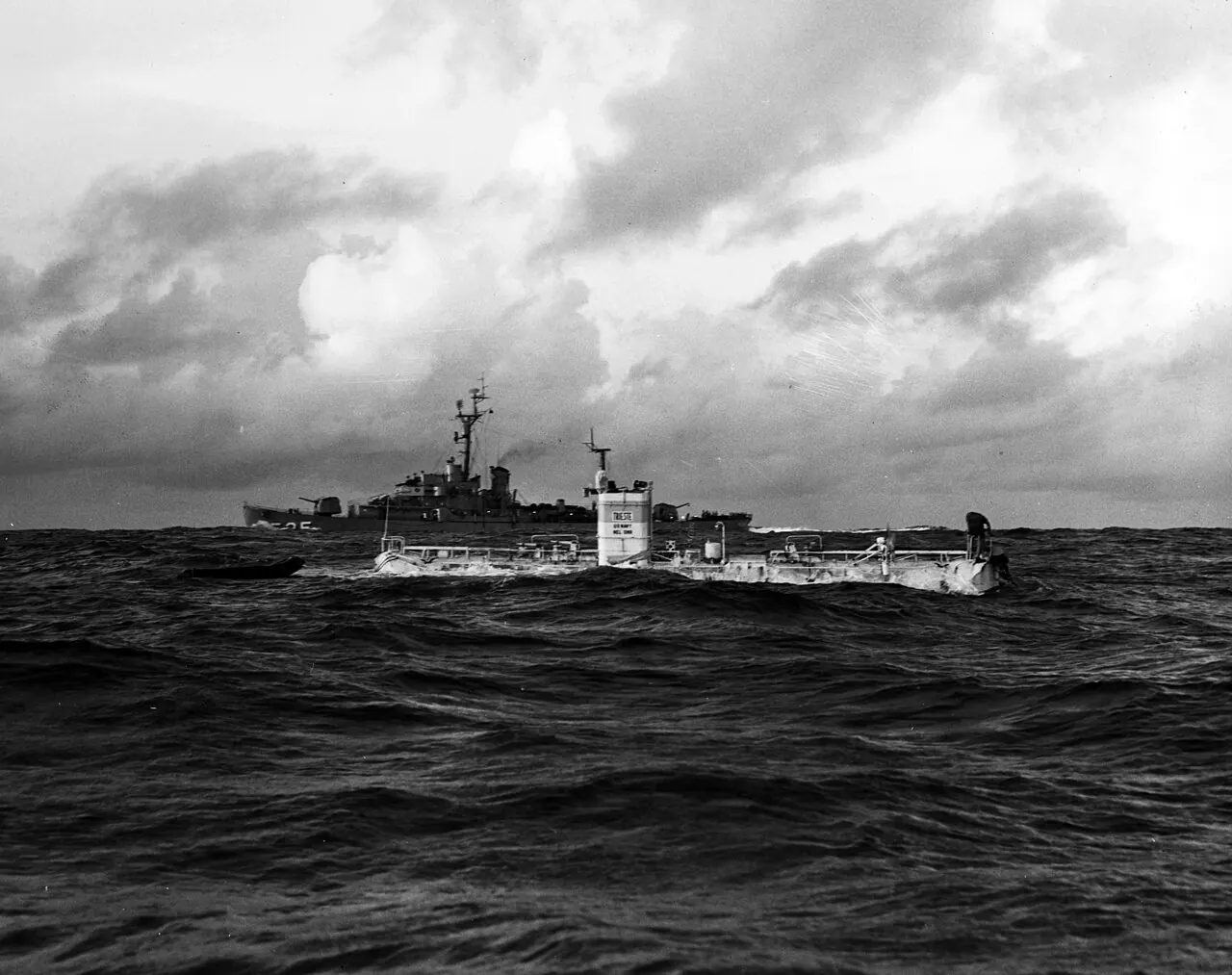
A US Navy bathyscaphe got there first in 1960. Then nobody went back for 52 years. Here is who has made the trip to the Challenger Deep since.
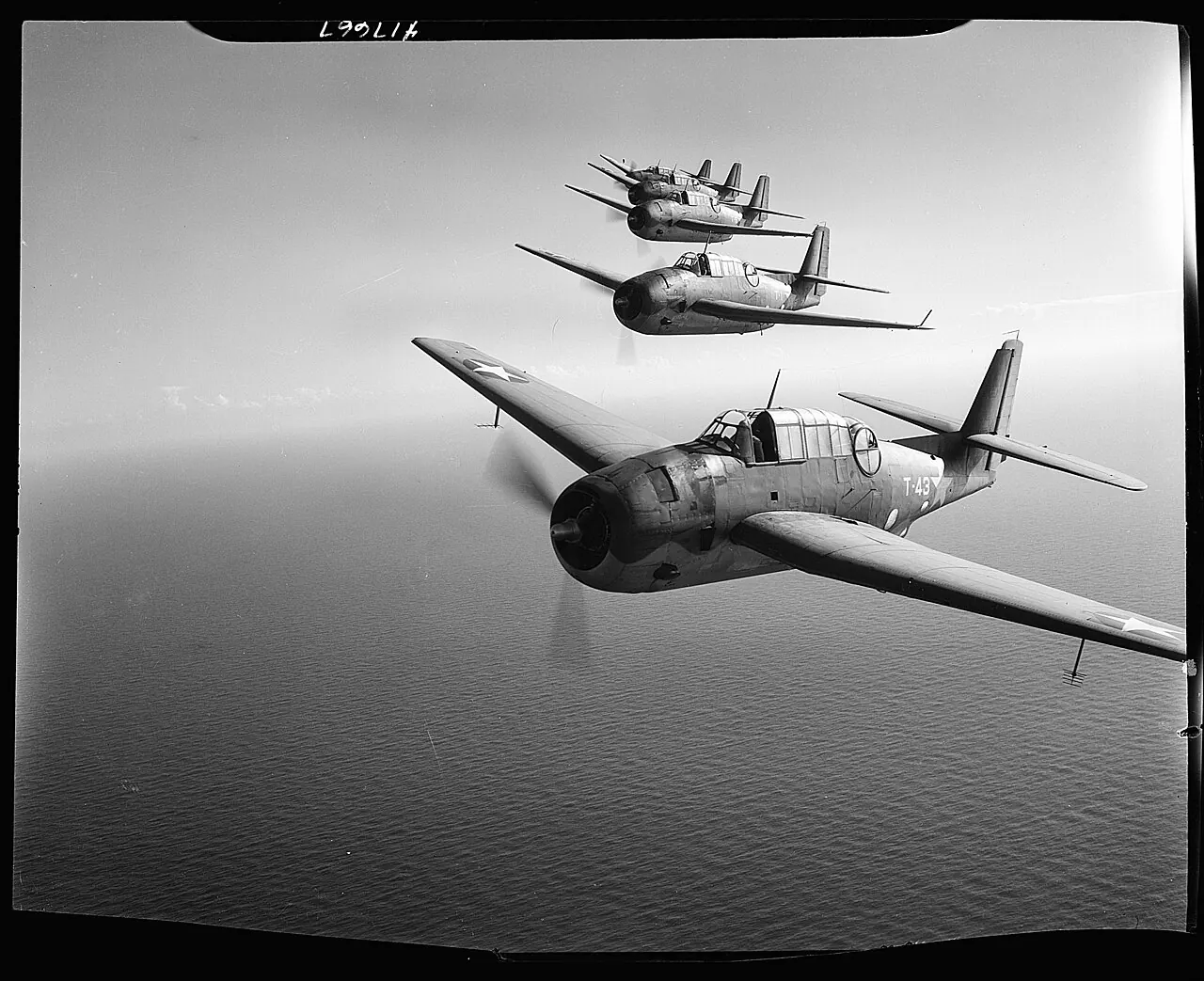
Flight 19 and the USS Cyclops really did vanish. What Navy, NOAA and Coast Guard records say happened, and why the legend outran them.
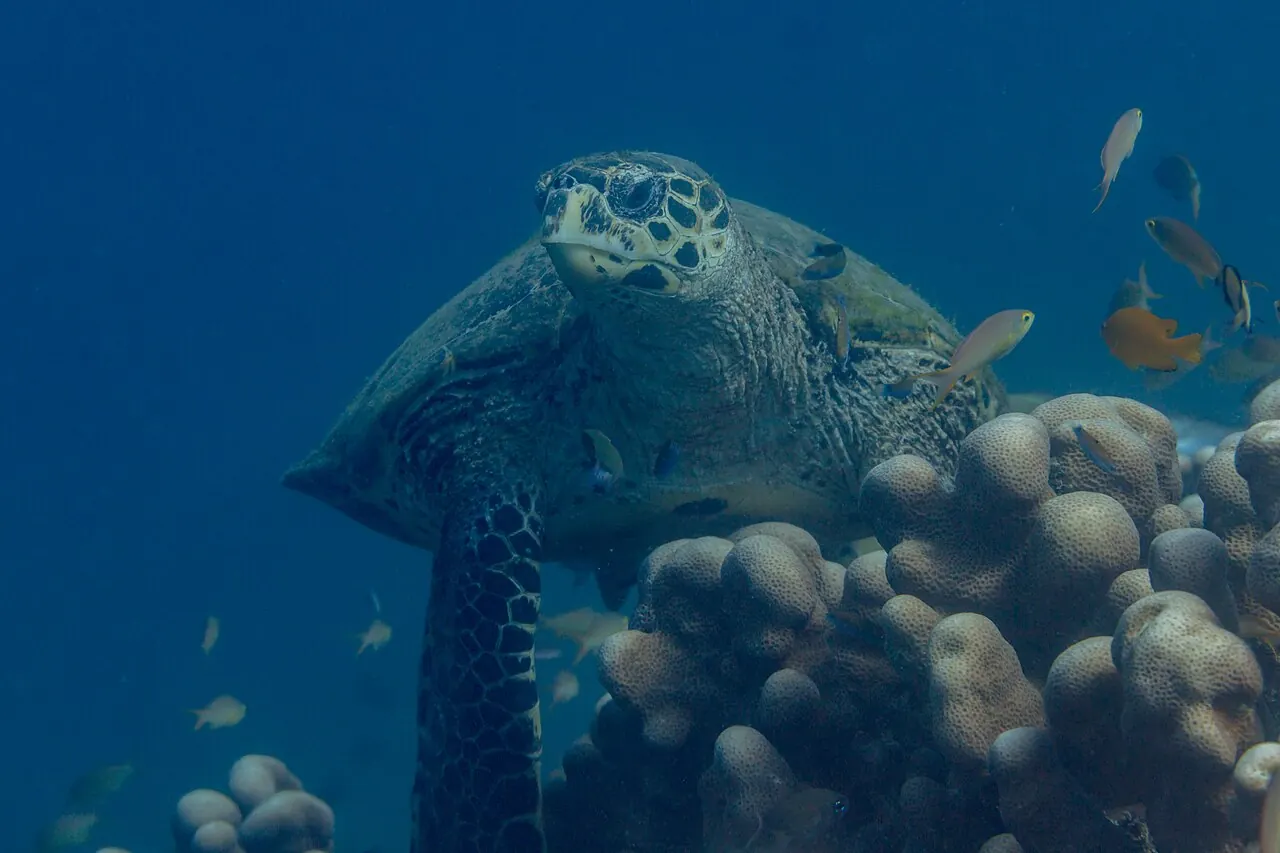
In 2015 a New York biologist saw a hawksbill turtle shine green and red under blue light, the first sea turtle known to biofluoresce.
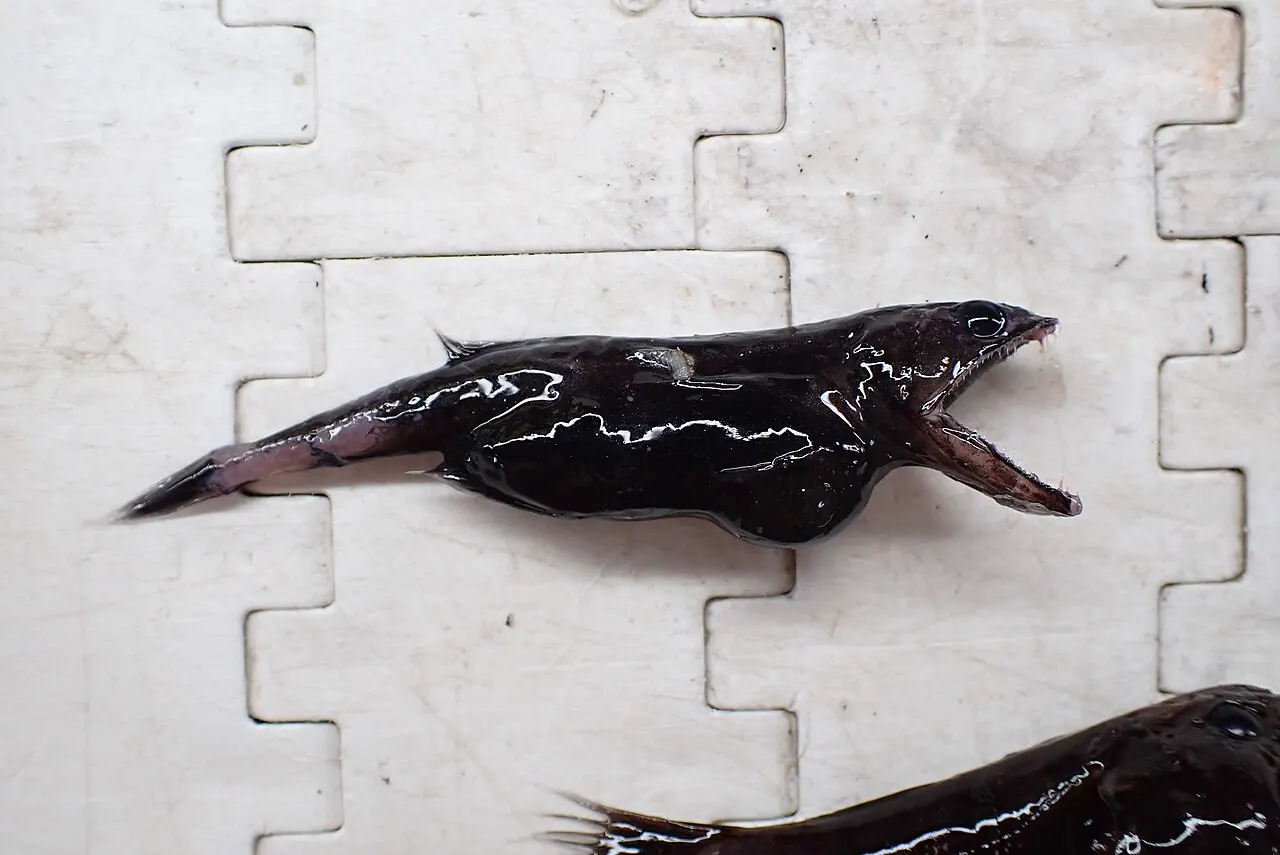
This 10-inch deep-sea fish has a stomach that stretches like a balloon. Many specimens have been found floating dead with a meal inside.
76%
of the animals scientists filmed in the deep water off California could make their own light. How the dark ocean glows →
Five layers of ocean, from the sunlit surface to the deepest point on Earth. Scroll down to go down.

Pygoscelis adeliae

Spheniscus demersus

Thunnus alalunga

Homarus americanus
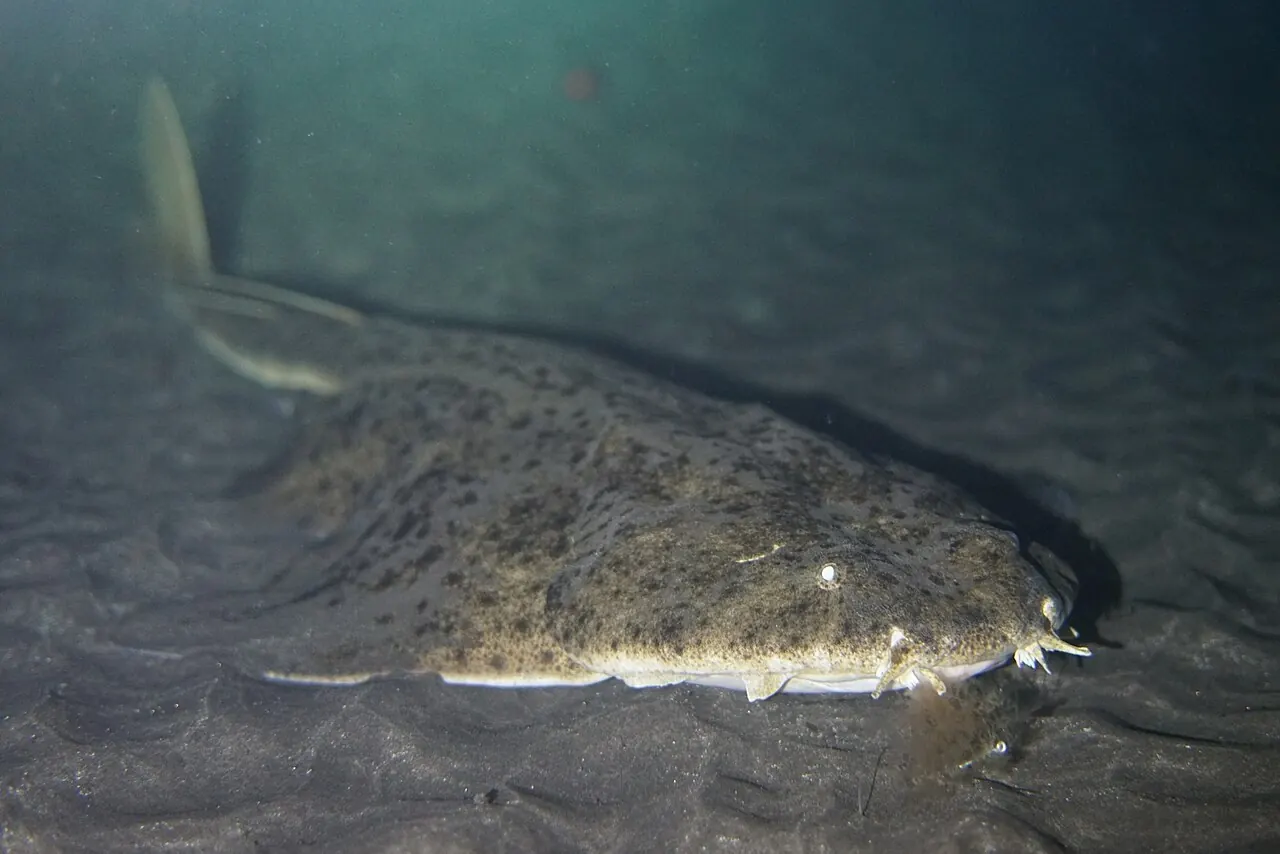
Squatina squatina
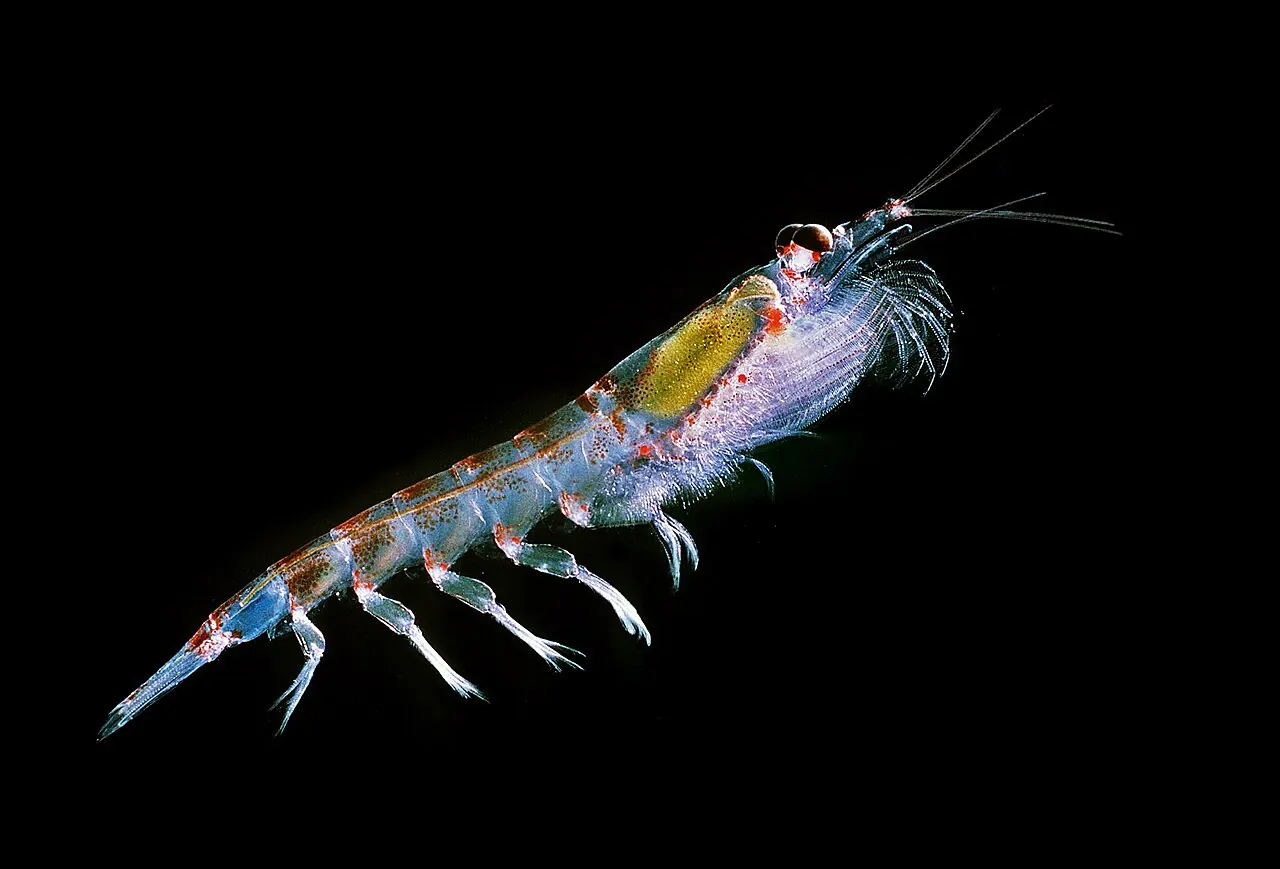
Euphausia superba
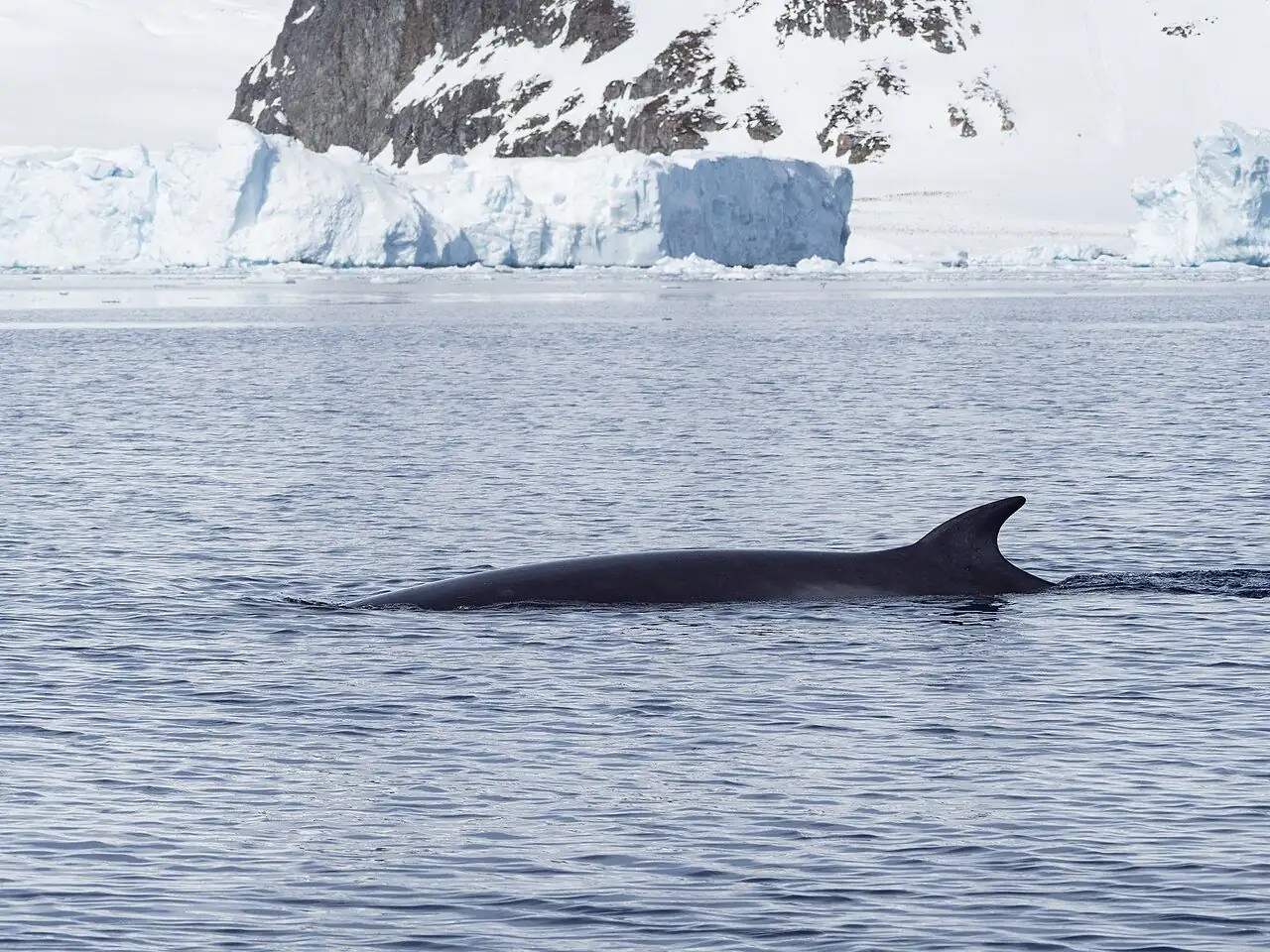
Balaenoptera bonaerensis
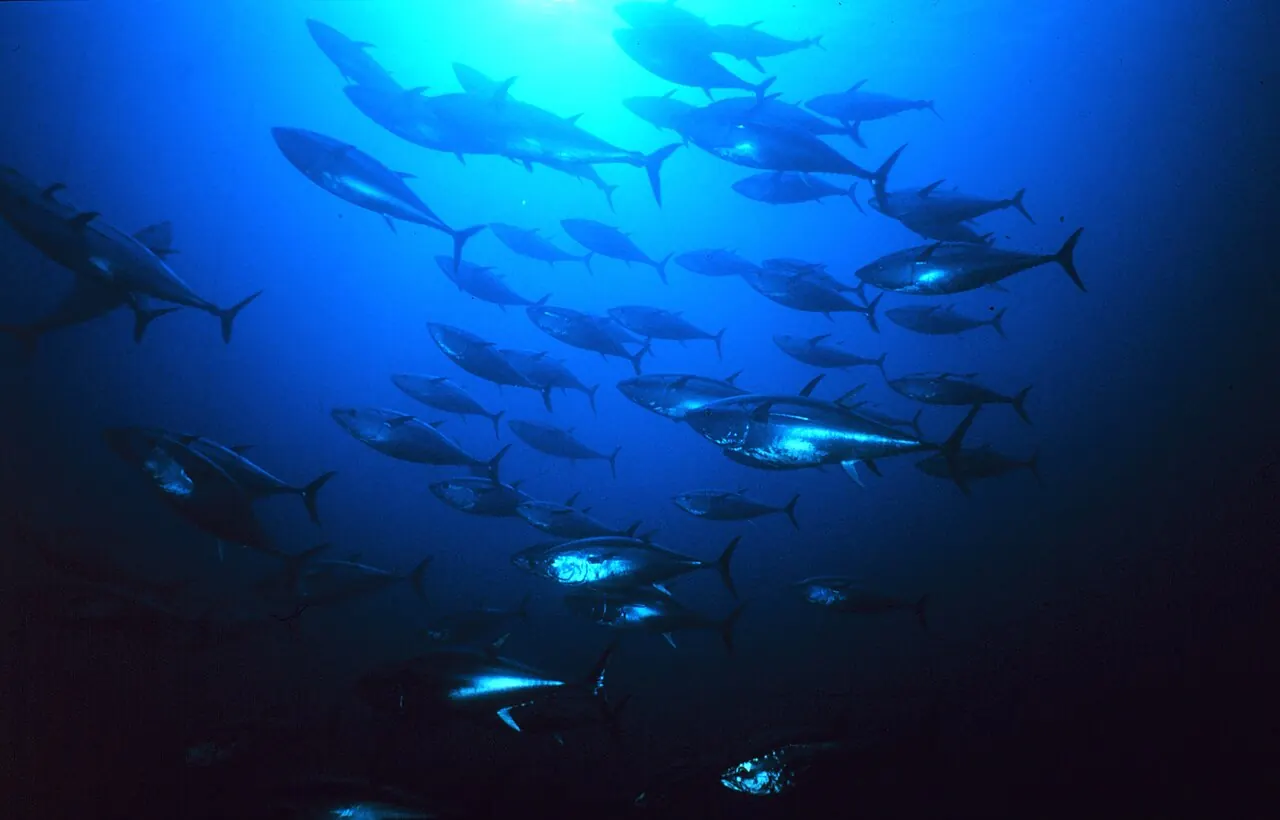
Thunnus thynnus
One short email a week with the strangest true ocean stories we found. Free. Unsubscribe any time.
See our privacy policy.
Radiocarbon dating of deep corals collected by submersible off Oahu found black coral and gold coral colonies thousands of years old.
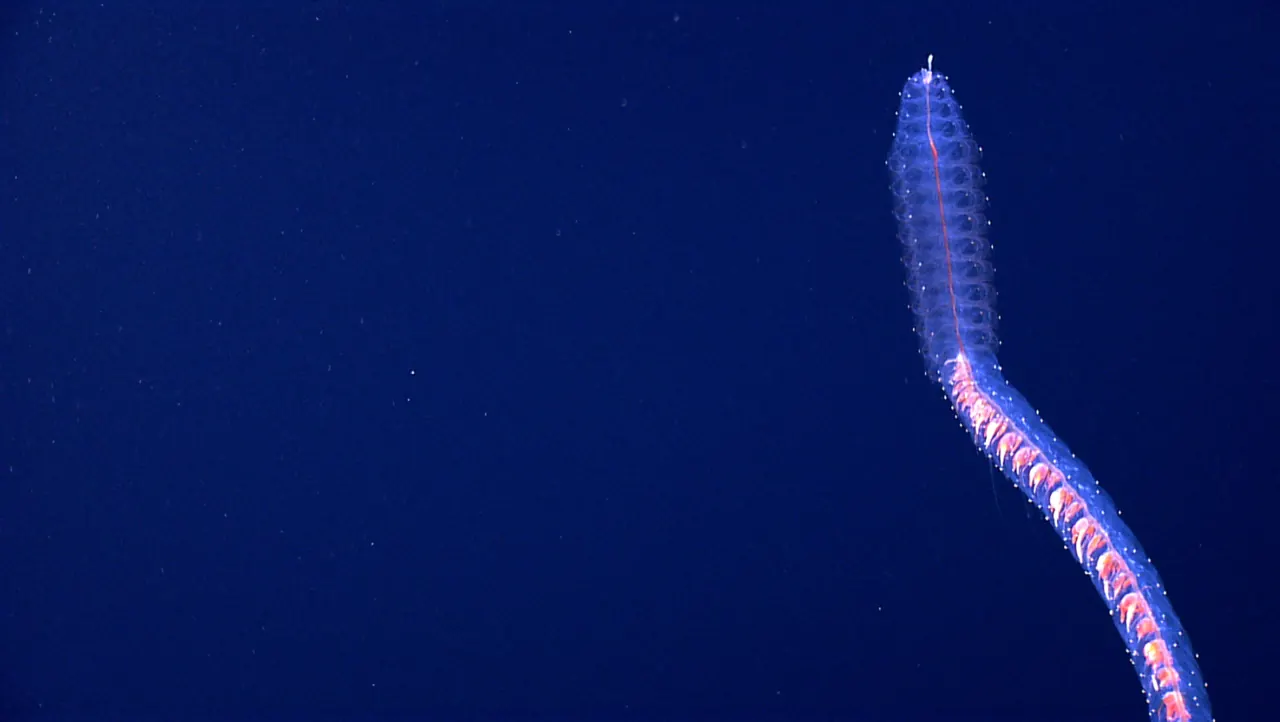
A robot diving more than 6 kilometers down southwest of Guam found flat, welded rock flows that its team says came from explosive deep-sea eruptions.
A US Navy bathyscaphe got there first in 1960. Then nobody went back for 52 years. Here is who has made the trip to the Challenger Deep since.
Flight 19 and the USS Cyclops really did vanish. What Navy, NOAA and Coast Guard records say happened, and why the legend outran them.
In 2015 a New York biologist saw a hawksbill turtle shine green and red under blue light, the first sea turtle known to biofluoresce.
This 10-inch deep-sea fish has a stomach that stretches like a balloon. Many specimens have been found floating dead with a meal inside.
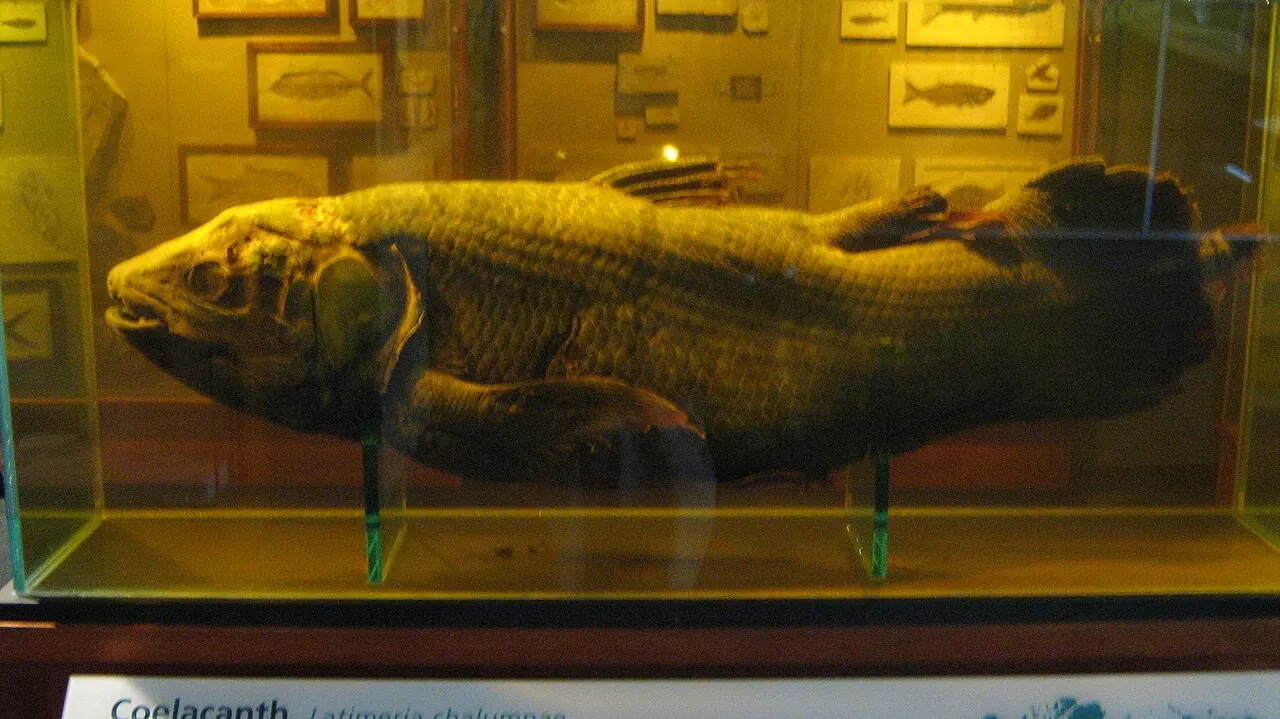
Known only from fossils until a curator spotted one in a South African catch, the coelacanth lives five times longer than thought, a 2021 study says.
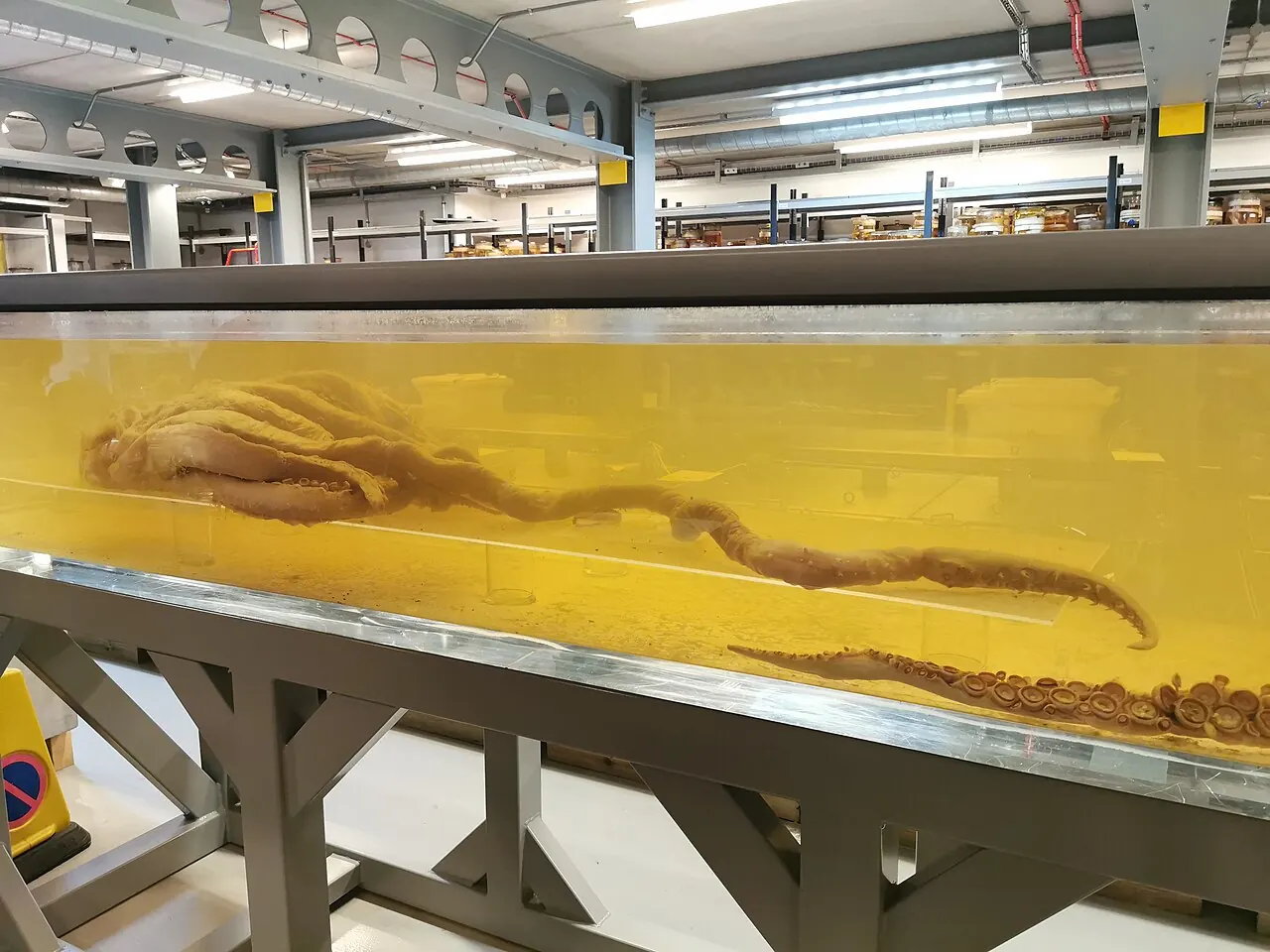
A century after the species was named, a robot sub filmed a 30-centimeter juvenile in the South Atlantic in March 2025.
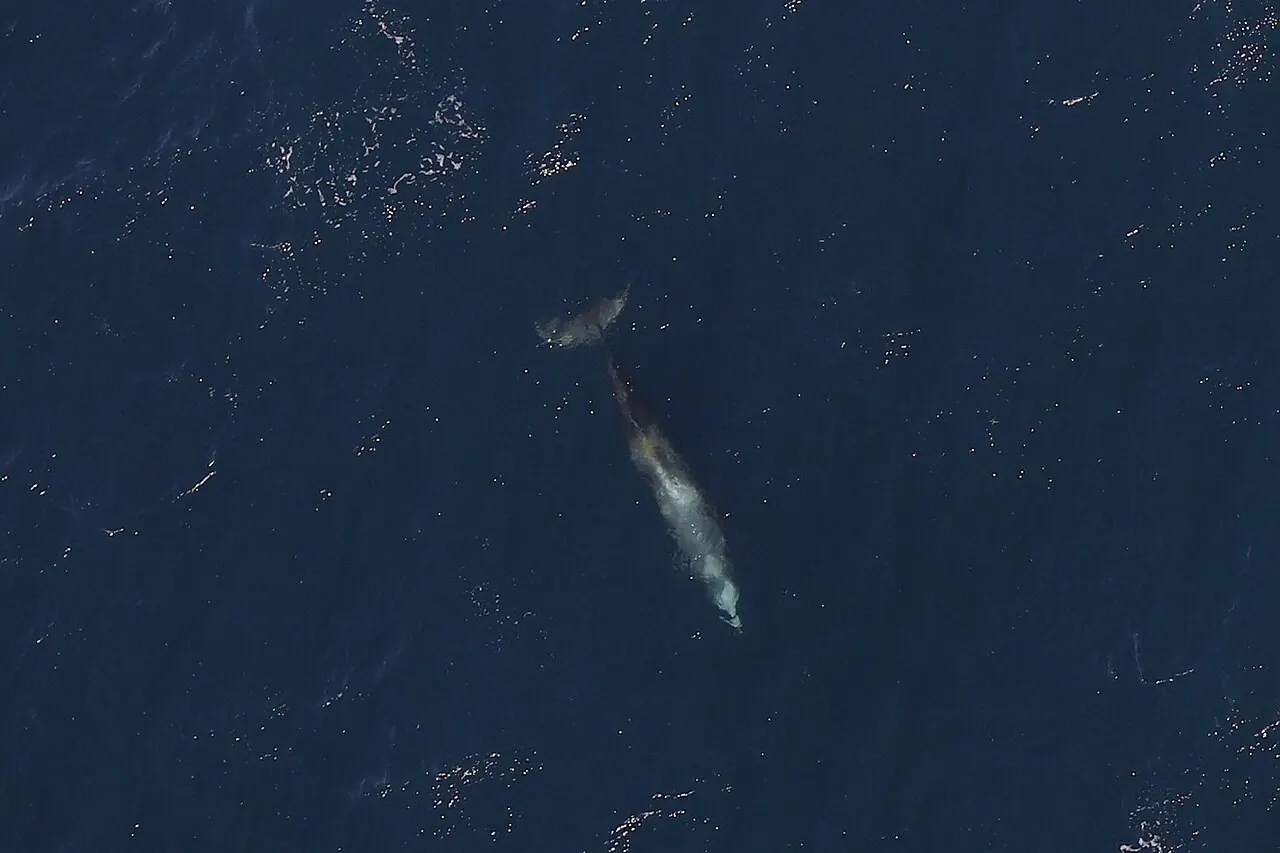
Tags off California and North Carolina caught Cuvier's beaked whales setting mammal records for depth and dive time.
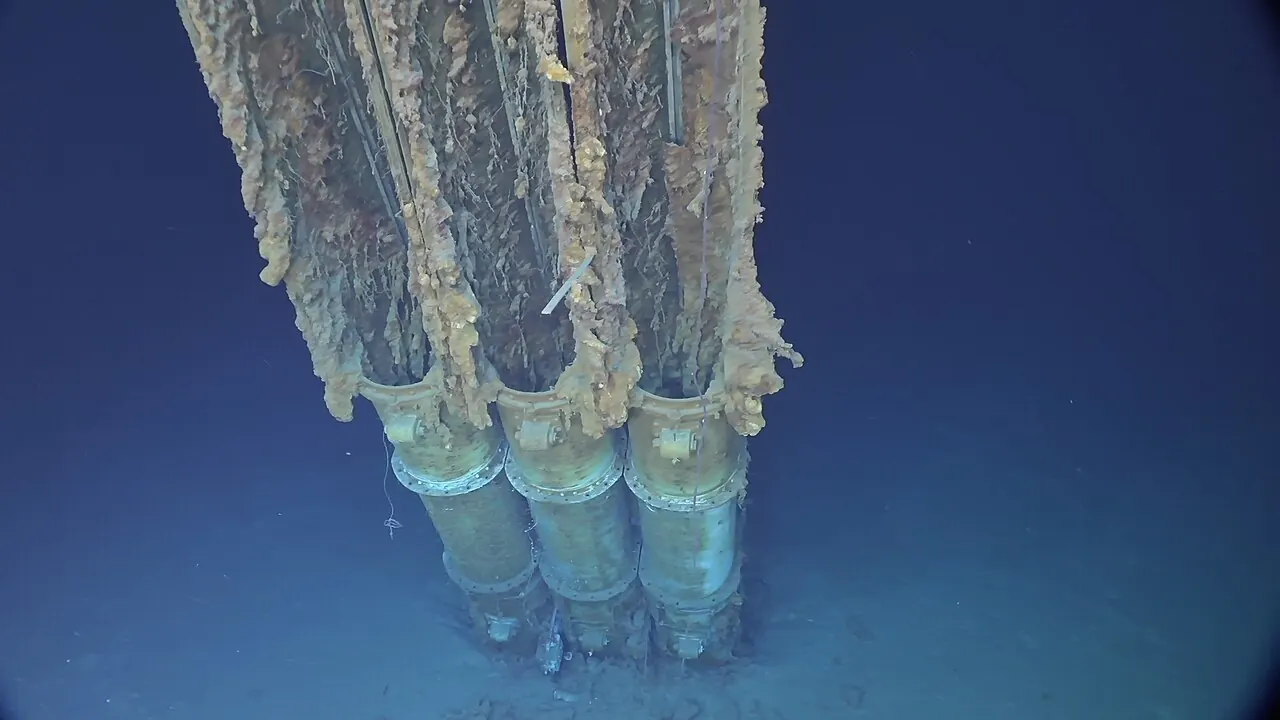
USS Samuel B. Roberts sank off the Philippines in 1944. In 2022, Victor Vescovo's team found it 6,865 meters down.
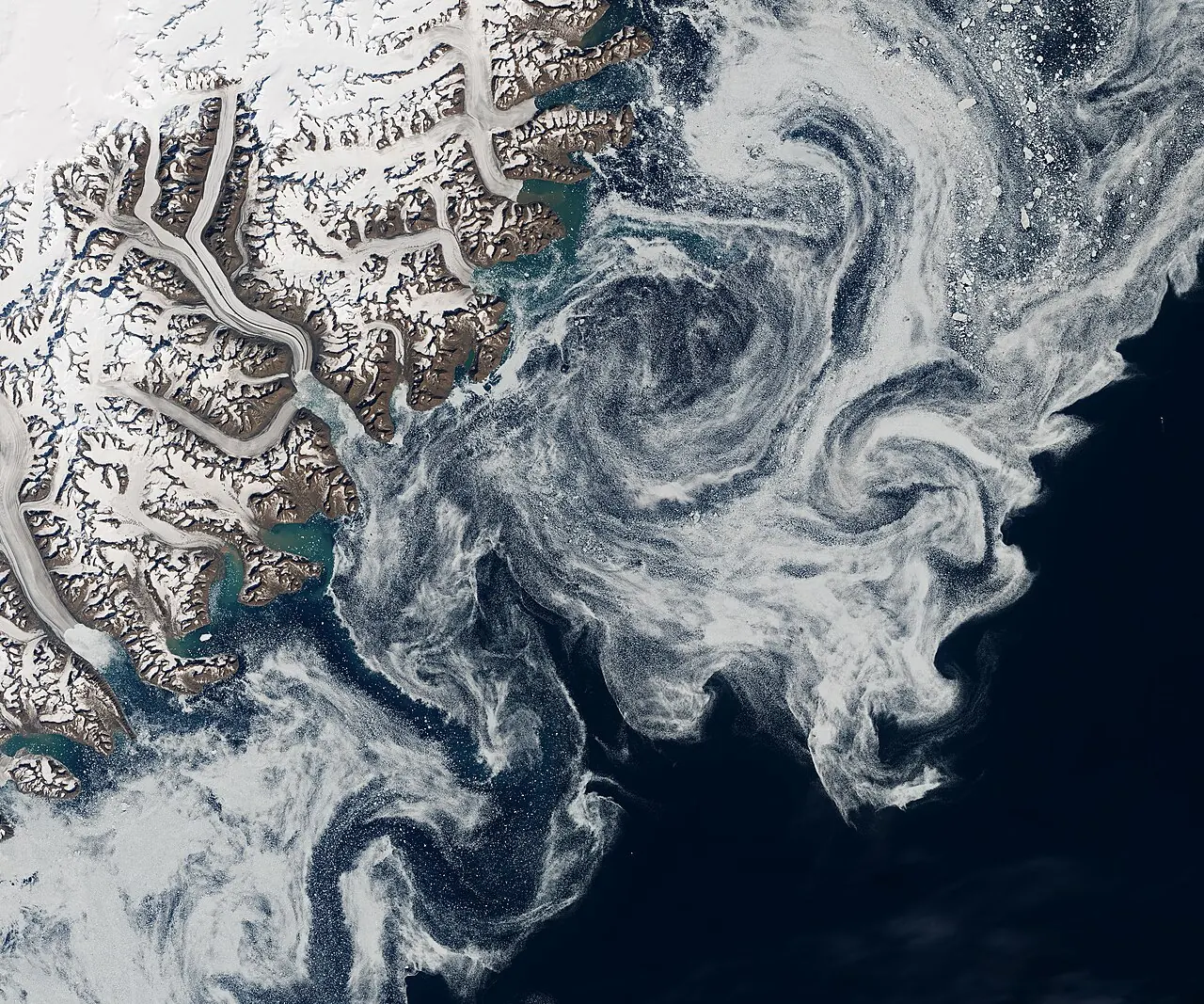
In the Denmark Strait, frigid water spills over an undersea ridge and sinks to a depth of nearly 2 miles. No one can see it from the surface.
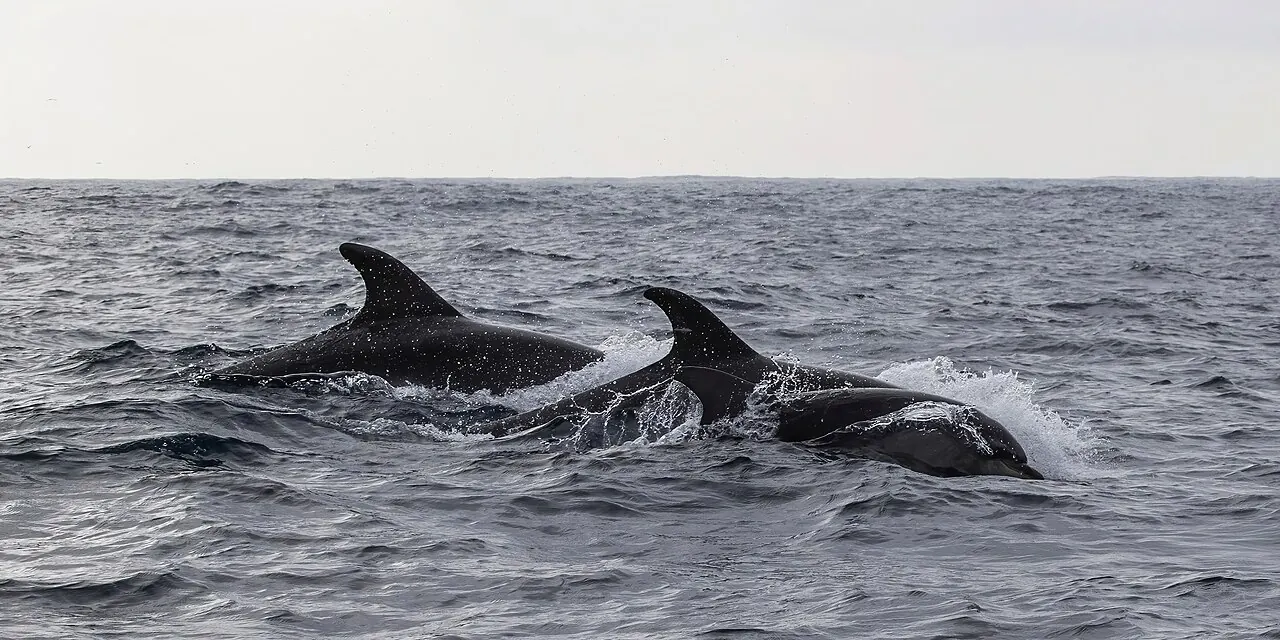
Each bottlenose dolphin invents a signature whistle. Nearly 50 years of recordings in Sarasota Bay, Florida, show how they use it.
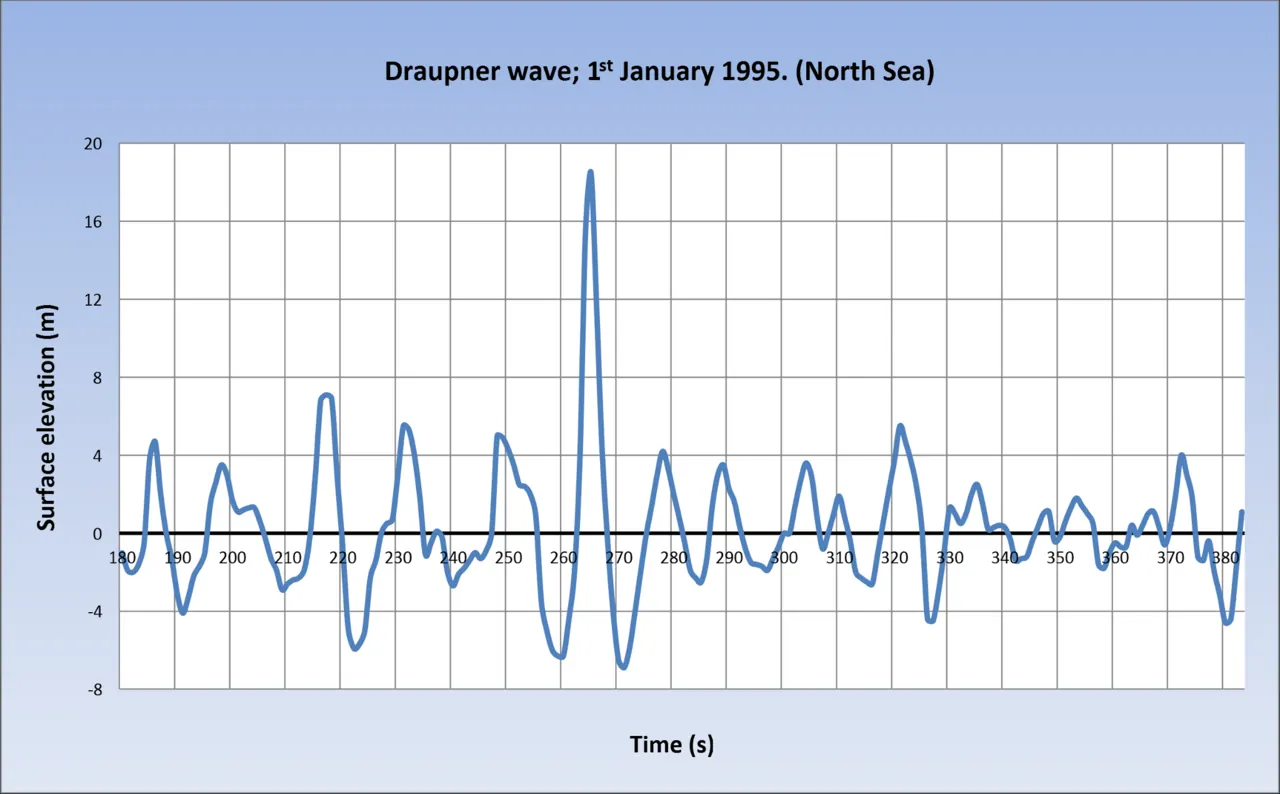
On January 1, 1995, an offshore platform in the North Sea recorded an 84-foot wave in a 39-foot sea. Two decades later, scientists rebuilt it in a tank.
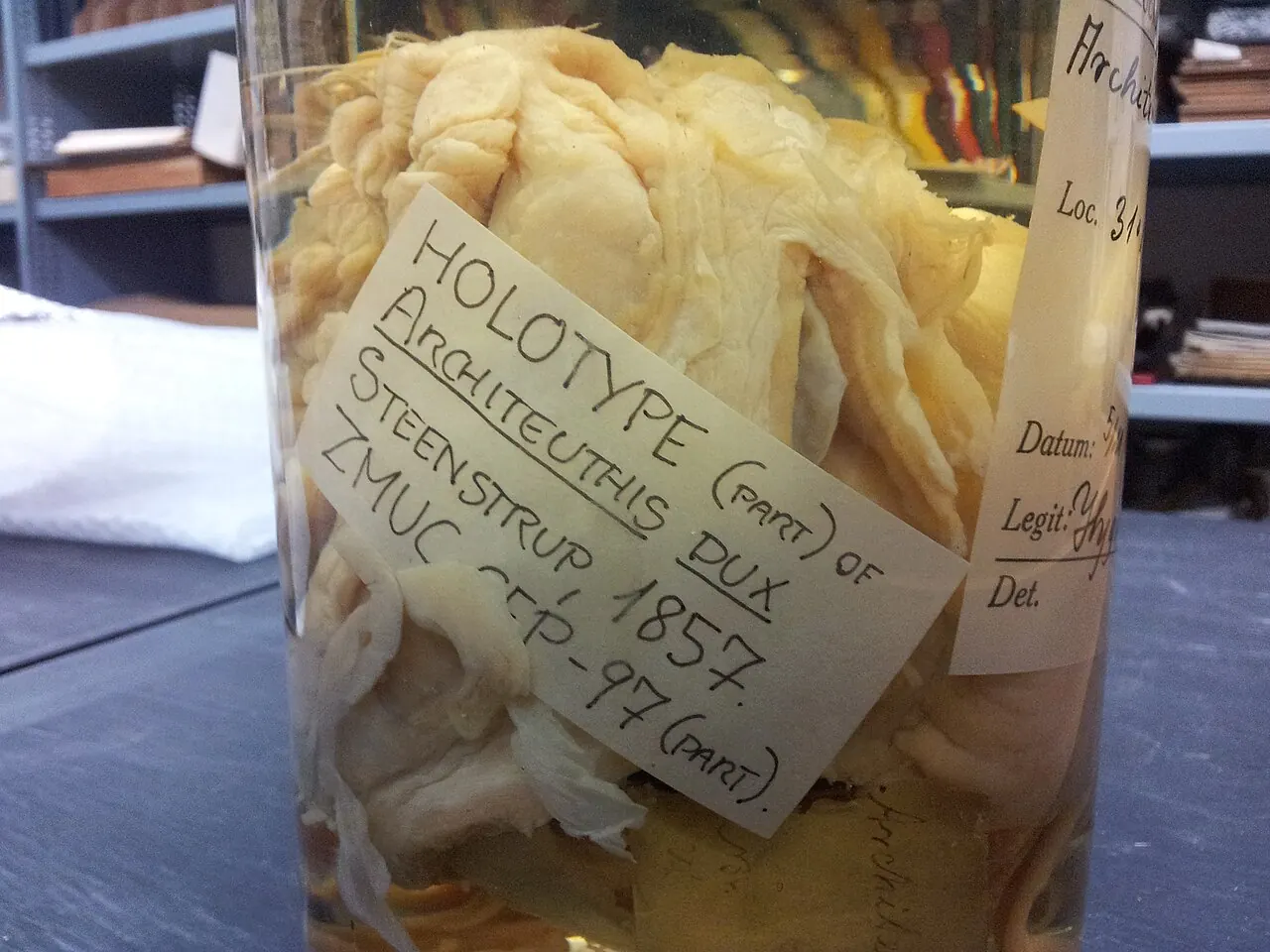
A camera lure that mimics a glowing jellyfish finally caught giant squid on video, first off Japan and then in the Gulf of Mexico.
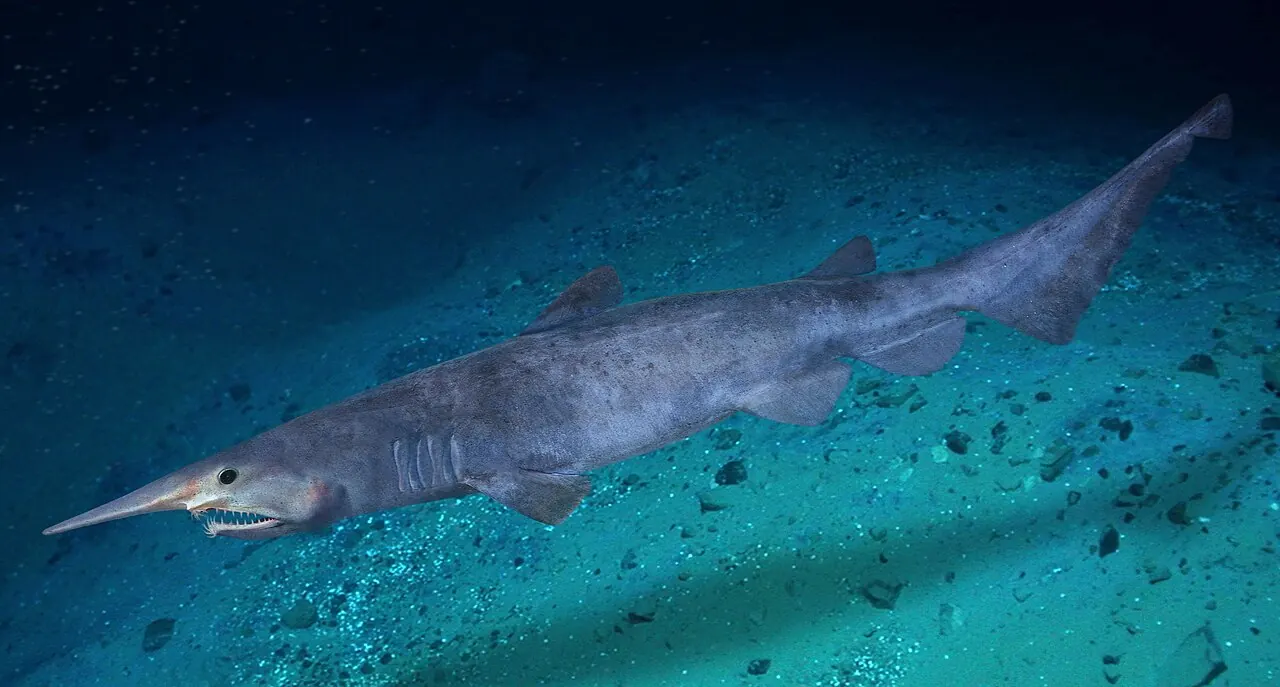
Rare video from Japan showed the deep-sea shark's jaws shooting forward at 3.1 meters per second. In 2014, a Gulf of Mexico shrimper caught one.
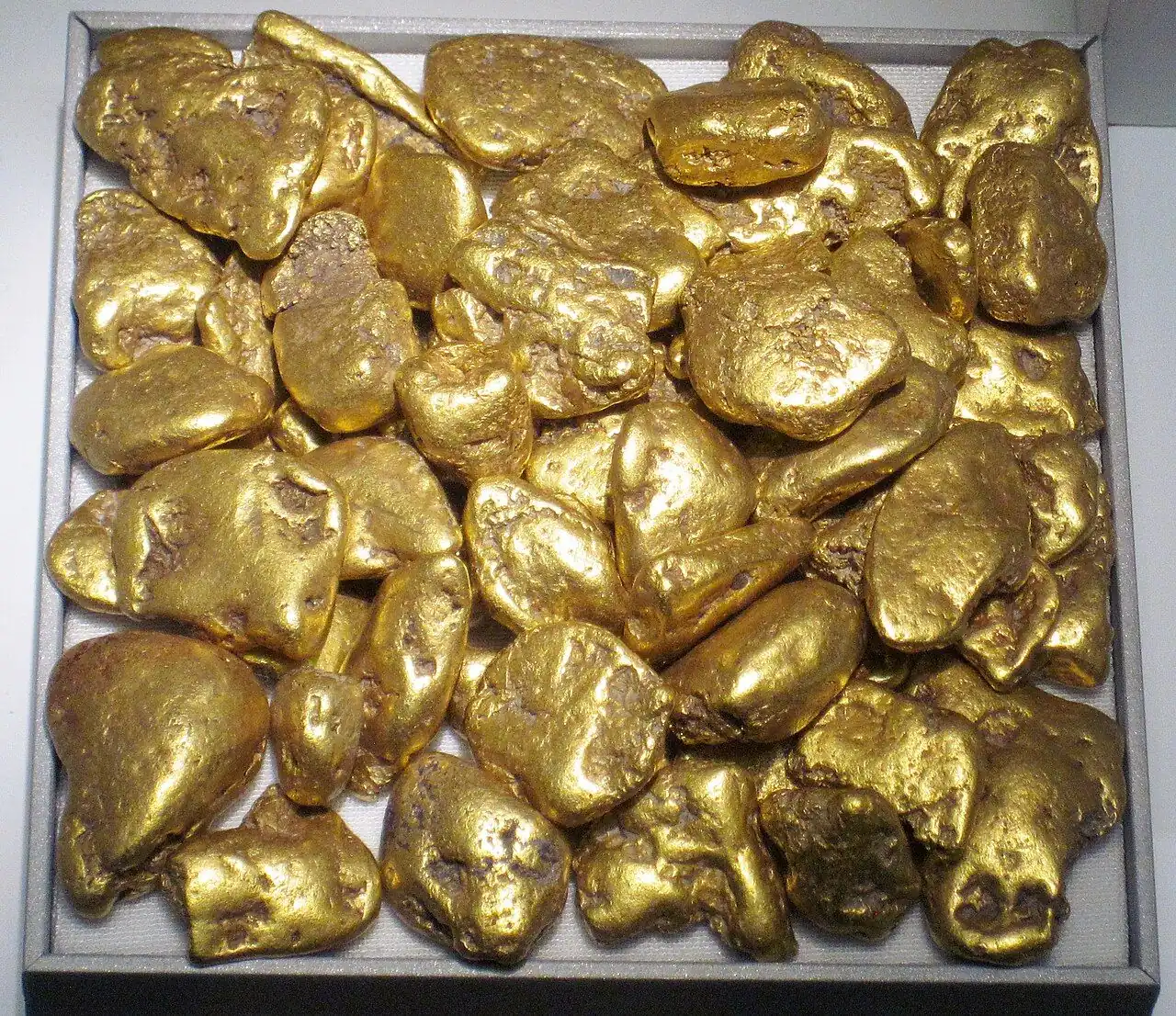
After World War I, Nobel laureate Fritz Haber tried to pay Germany's war debts with gold from the sea. Every better measurement since has found less of it.
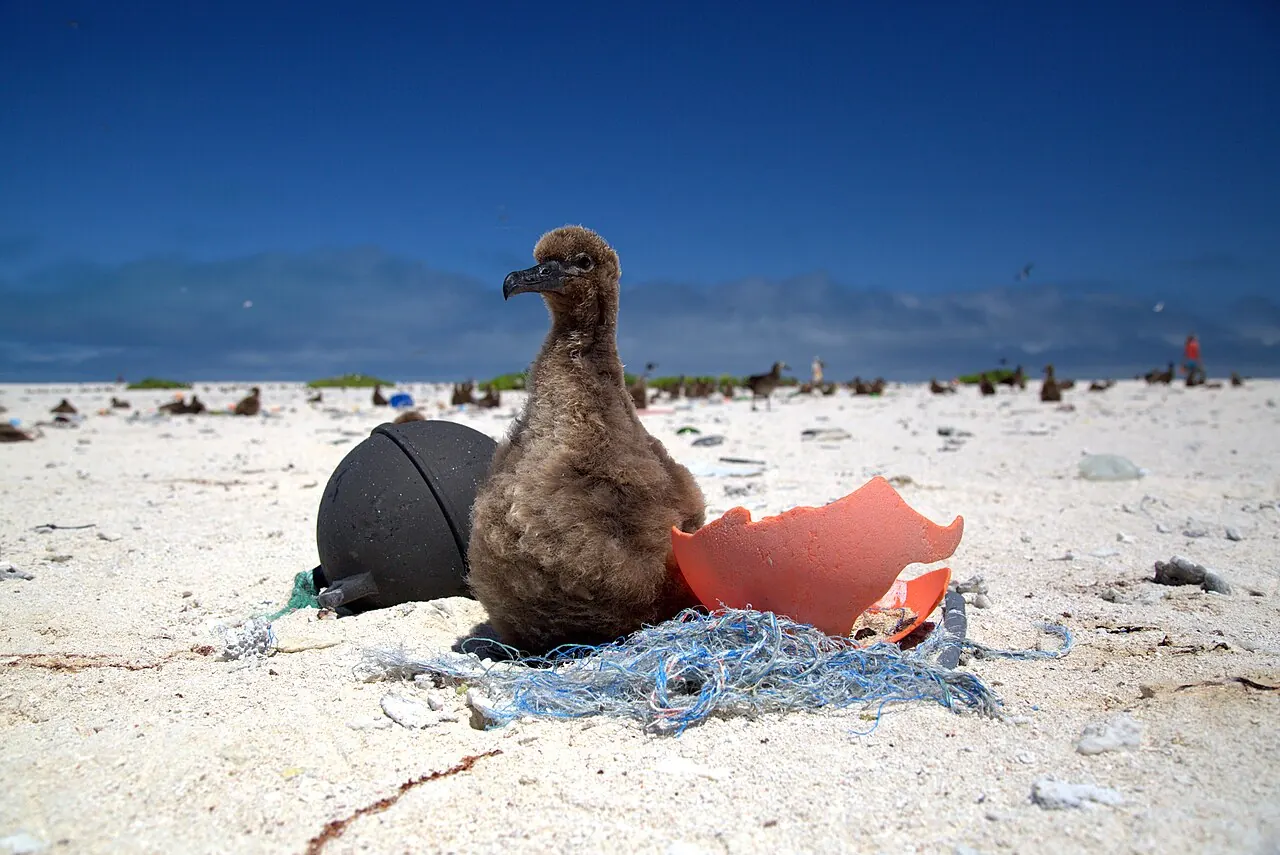
It spans about 1.6 million square kilometers between Hawaii and California, yet you could sail through it and see little. Nearly half its weight is nets.
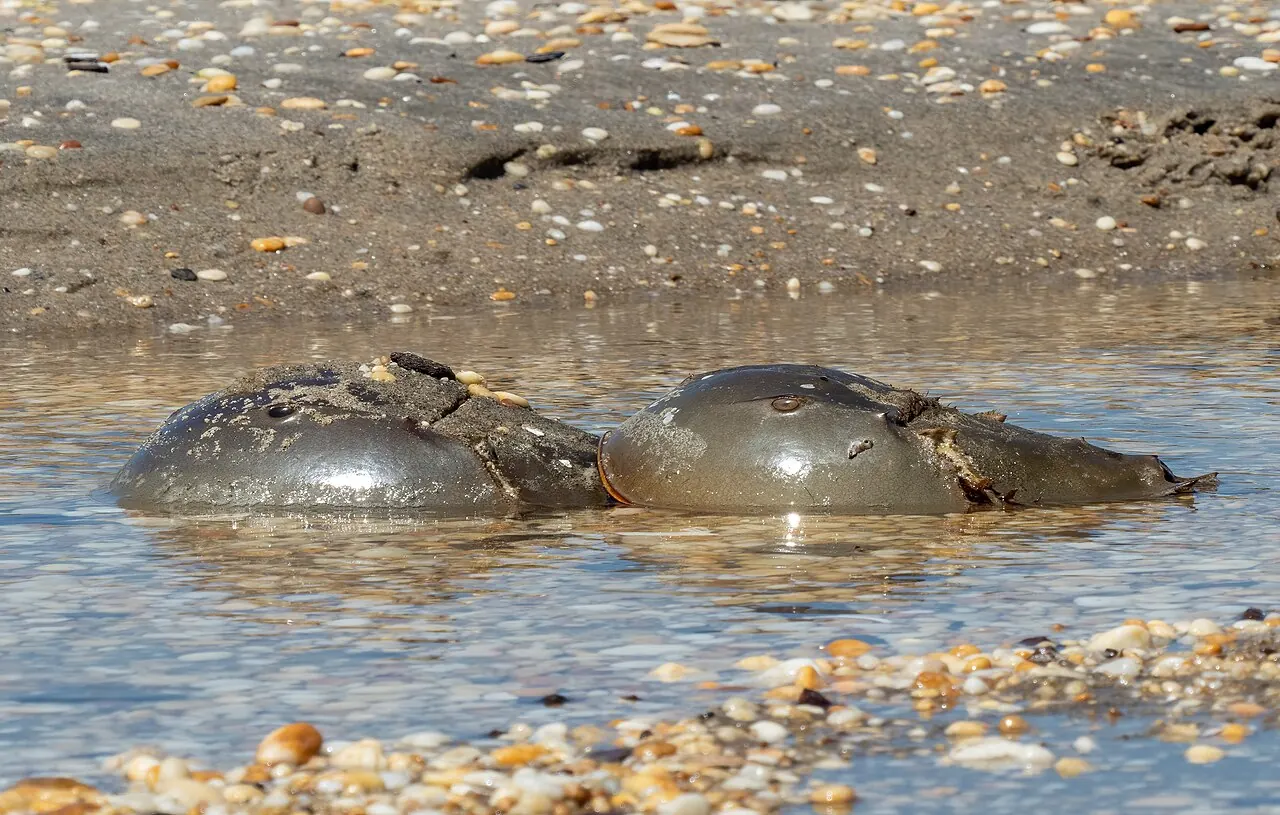
A clotting reaction discovered at Woods Hole in the 1950s became a standard test for bacterial toxins, with shorebirds and a lab-made rival in the mix.
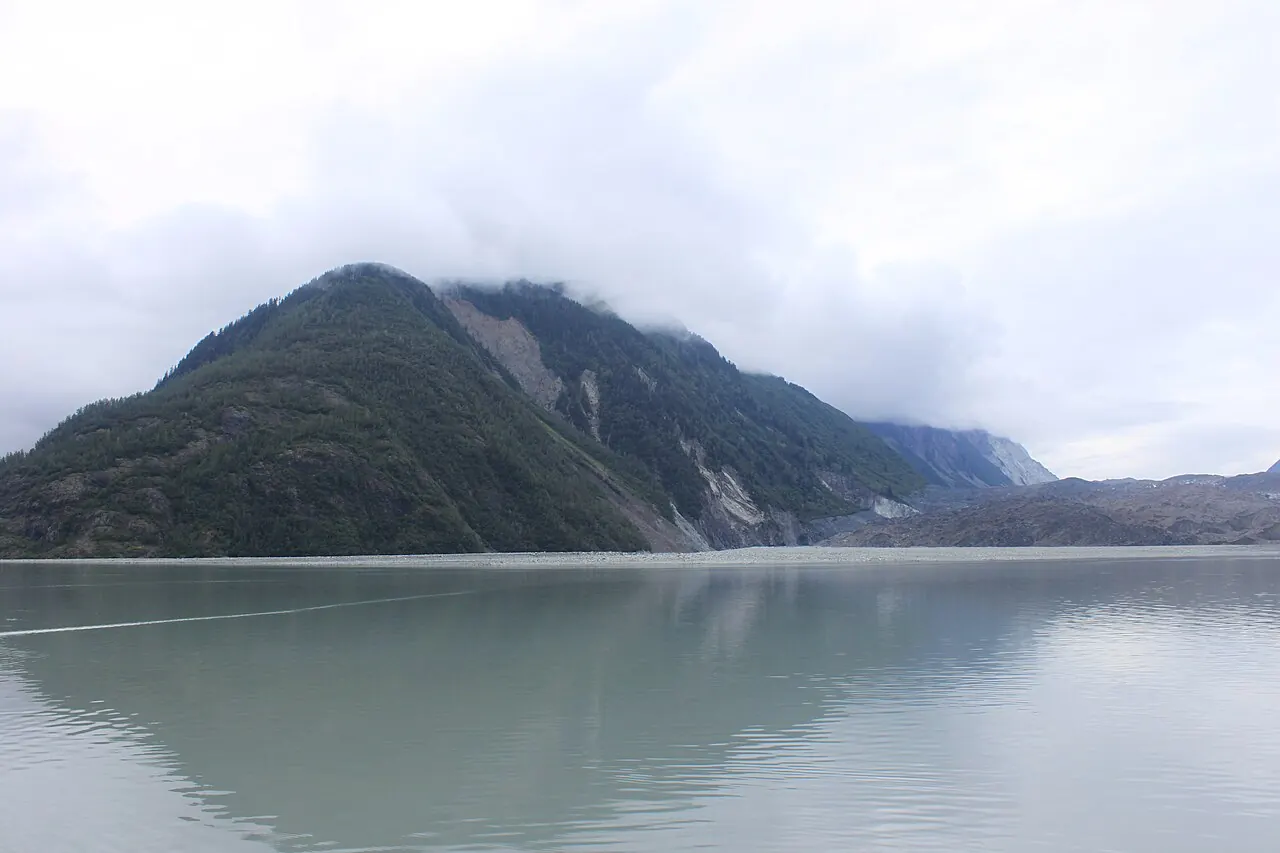
A rockslide into Lituya Bay sent water higher than the Empire State Building. Three fishing boats were in the bay that night.
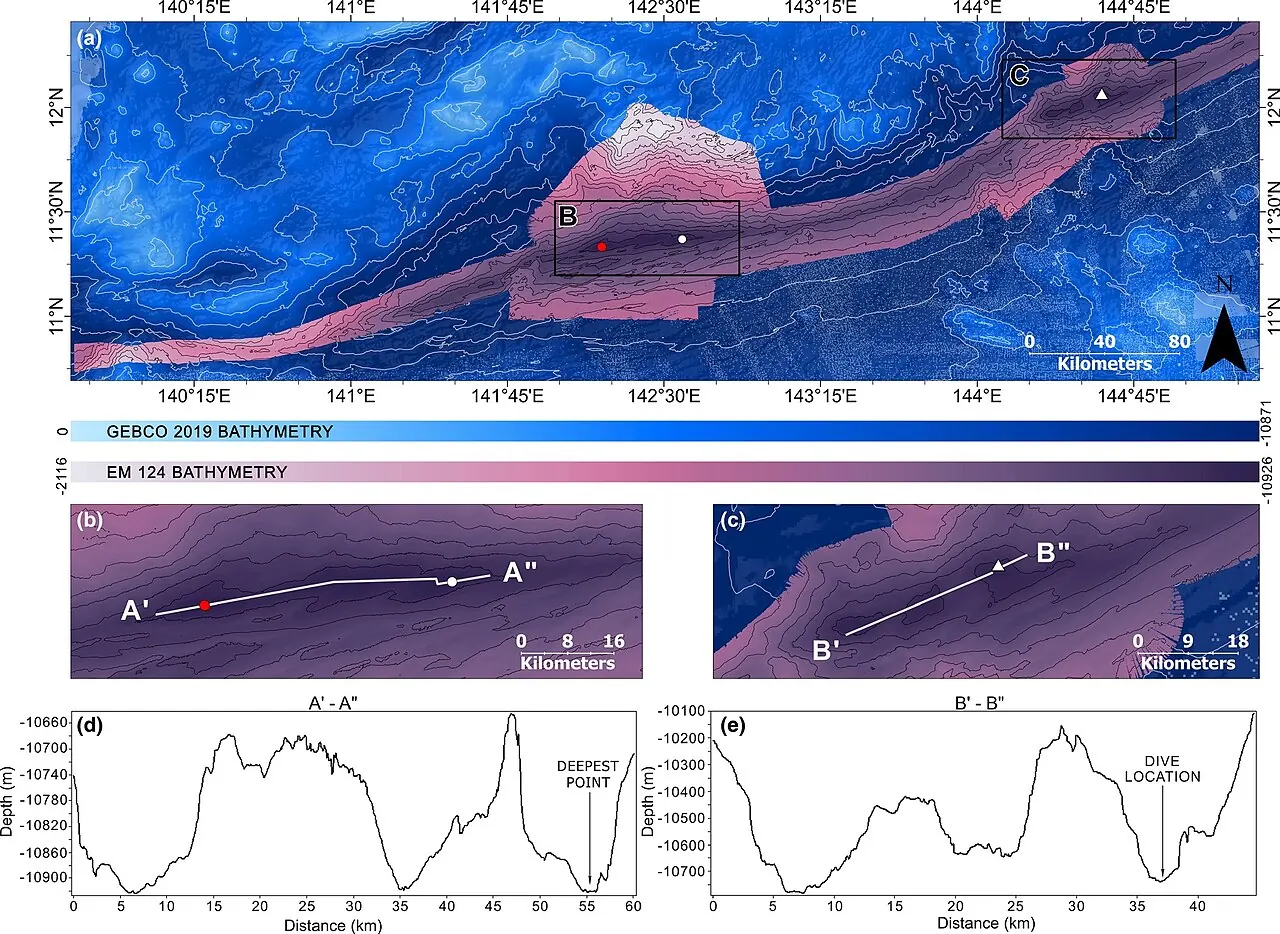
The Pacific's deepest trench runs over 1,500 miles past Guam. Its floor is just above freezing, under 1,100 times sea-level air pressure.
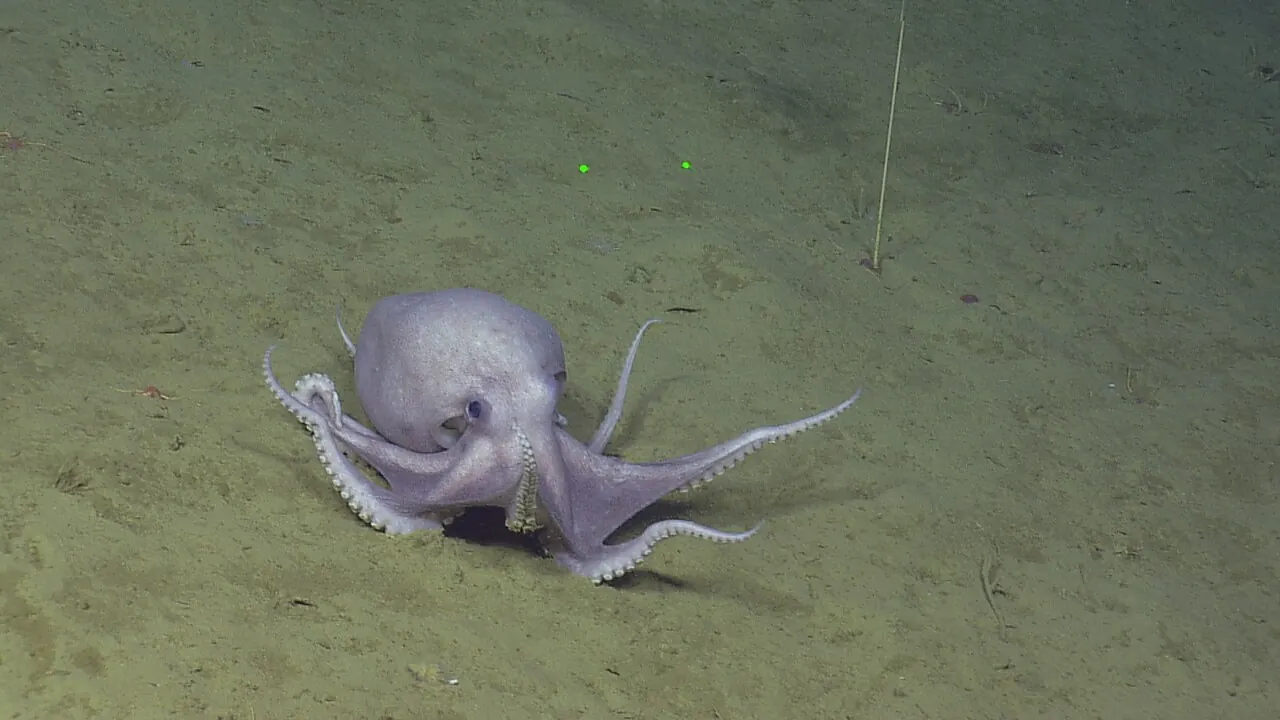
At the Octopus Garden, 3,200 meters down near Davidson Seamount, warm seep water cuts brooding time to under two years.
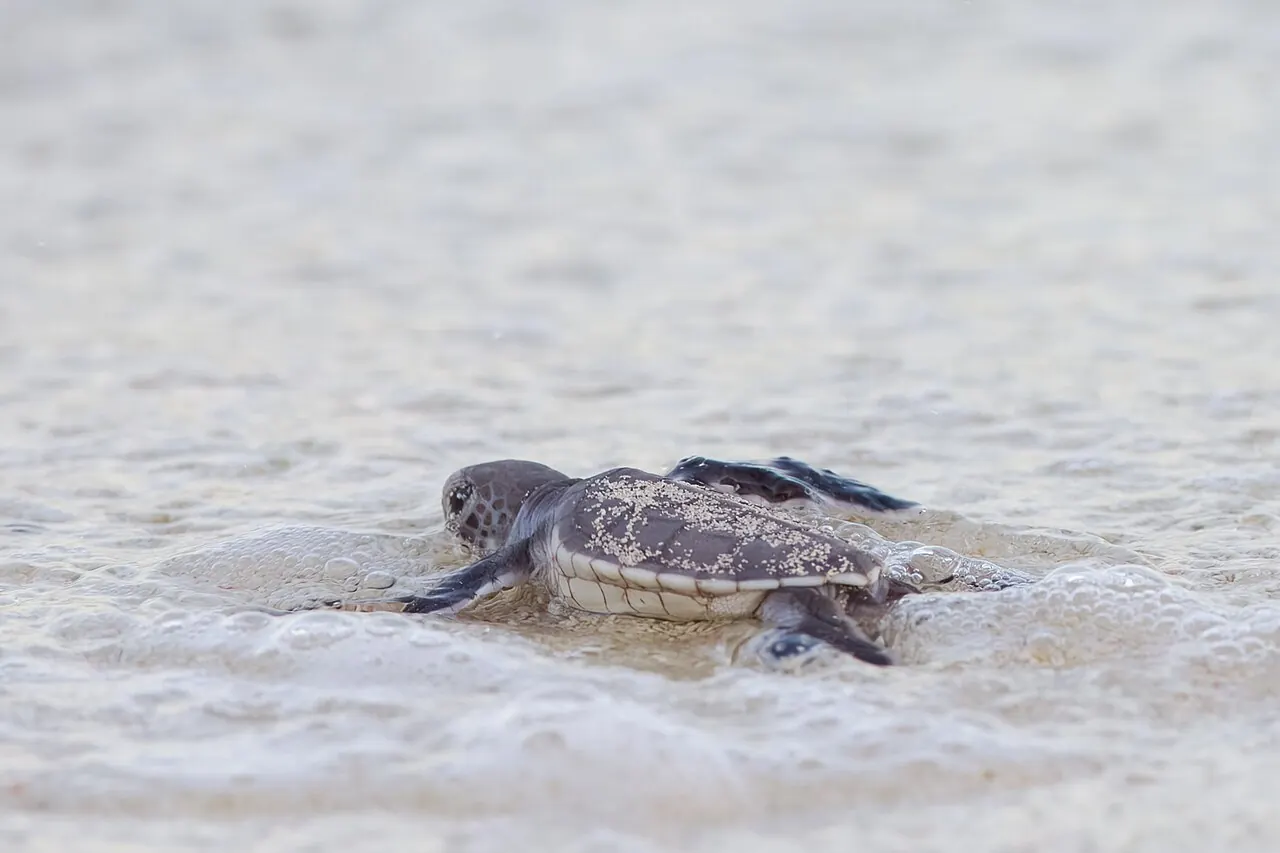
A turtle's sex is set by nest temperature. On the northern Great Barrier Reef, 99% of young green turtles studied were female.
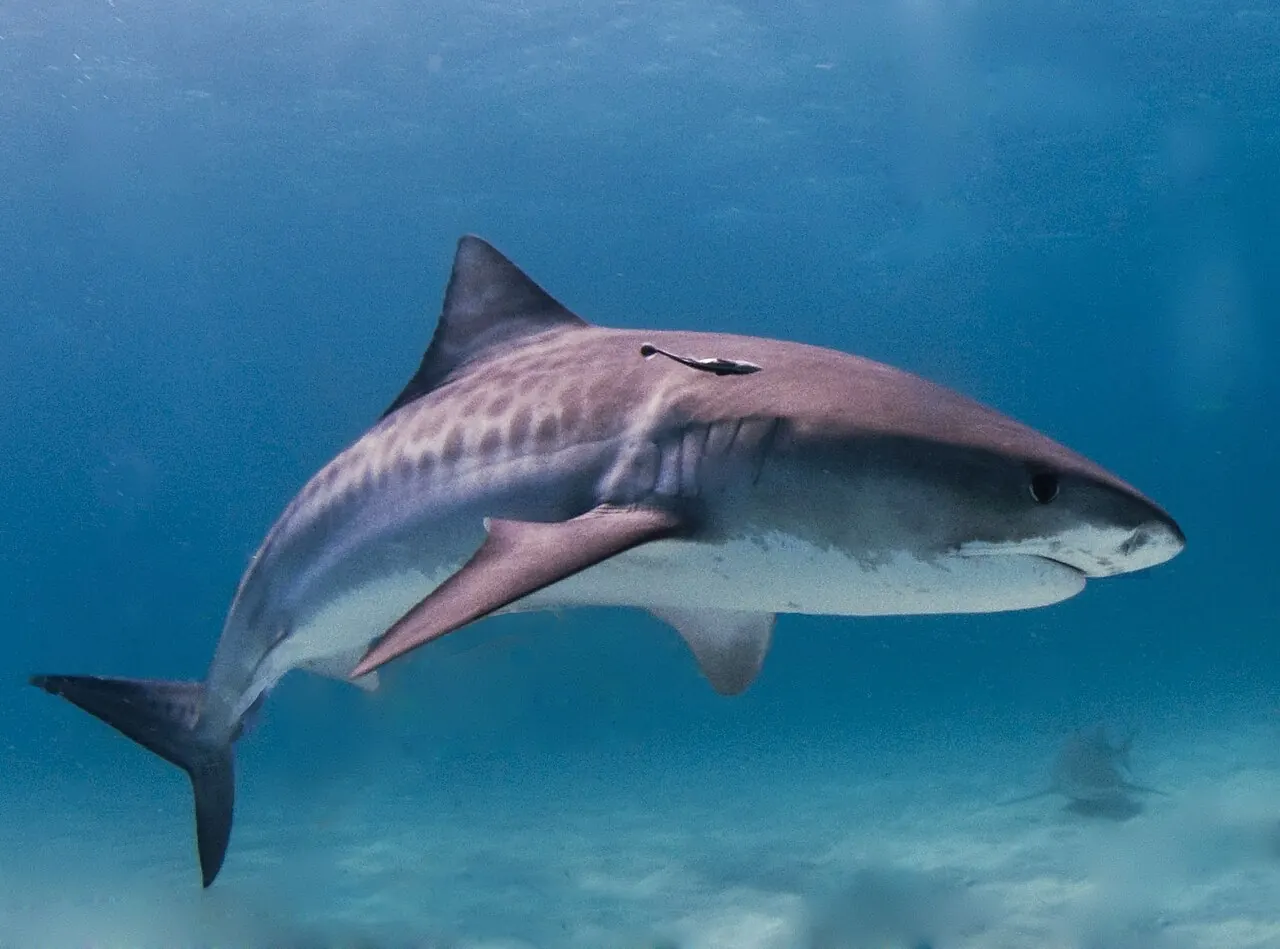
Off Mississippi and Alabama, scientists found land birds such as brown thrashers and sparrows in the stomachs of 41 out of 105 young tiger sharks.
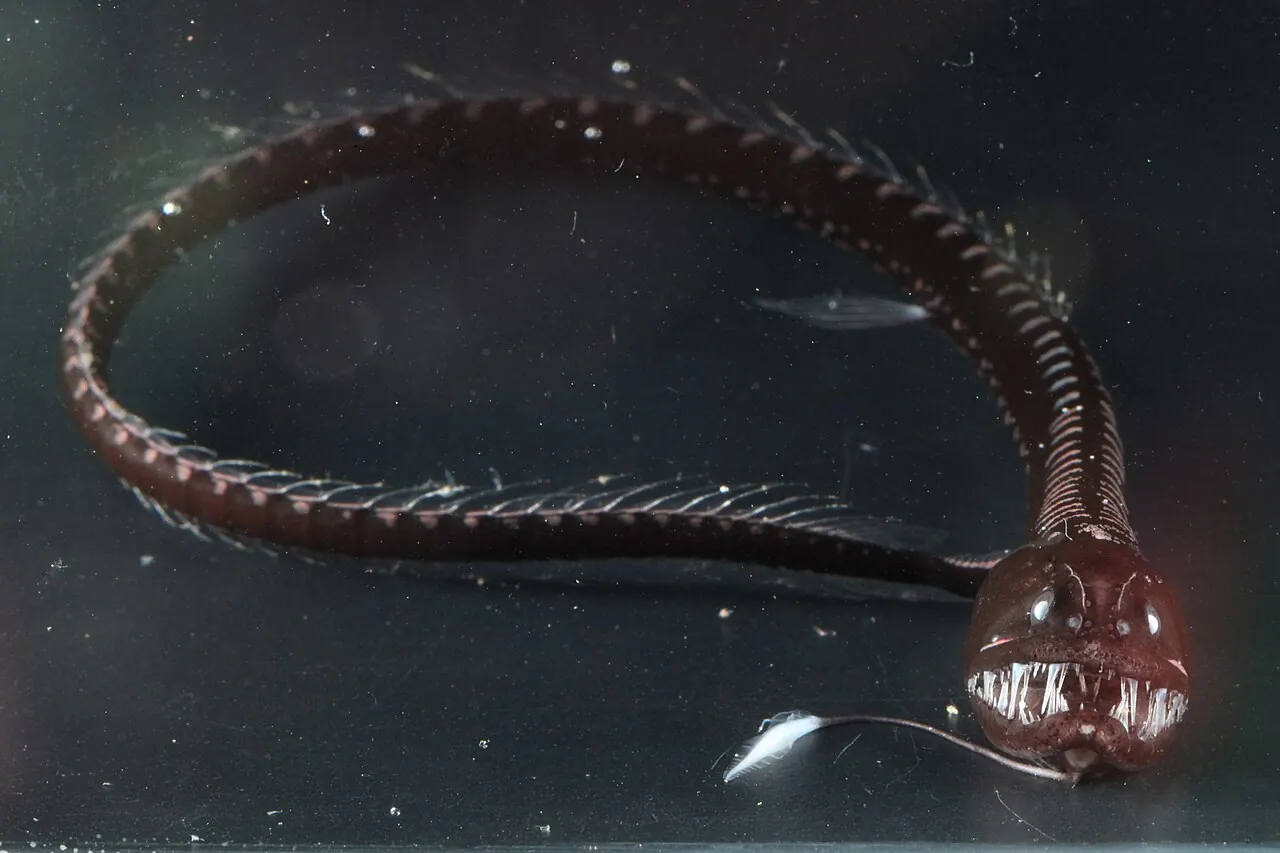
Scientists from the Smithsonian and Duke found 16 species of ultra-black fish in Monterey Bay and the Gulf of Mexico.
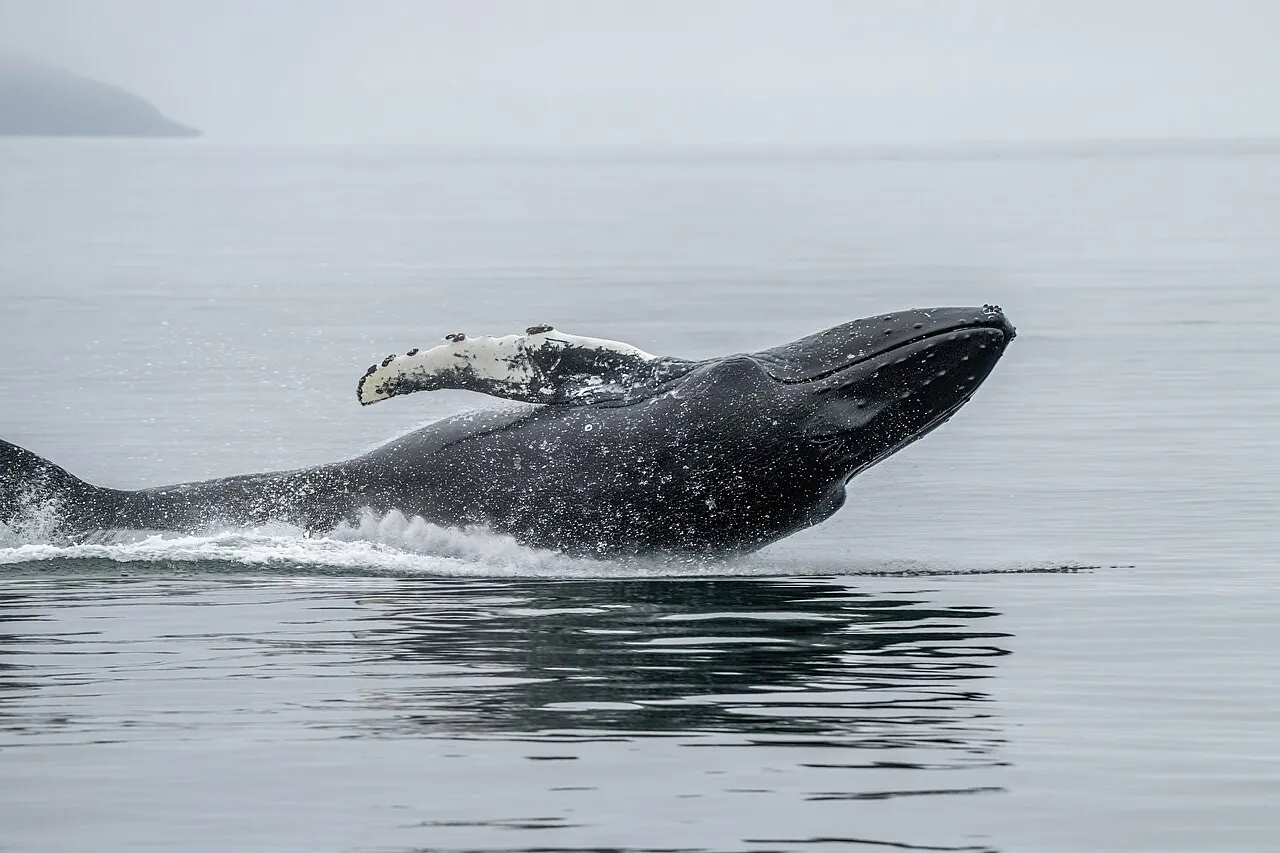
Humpback whales hurl almost their entire bodies out of the sea, again and again. Scientists now have a good idea why.
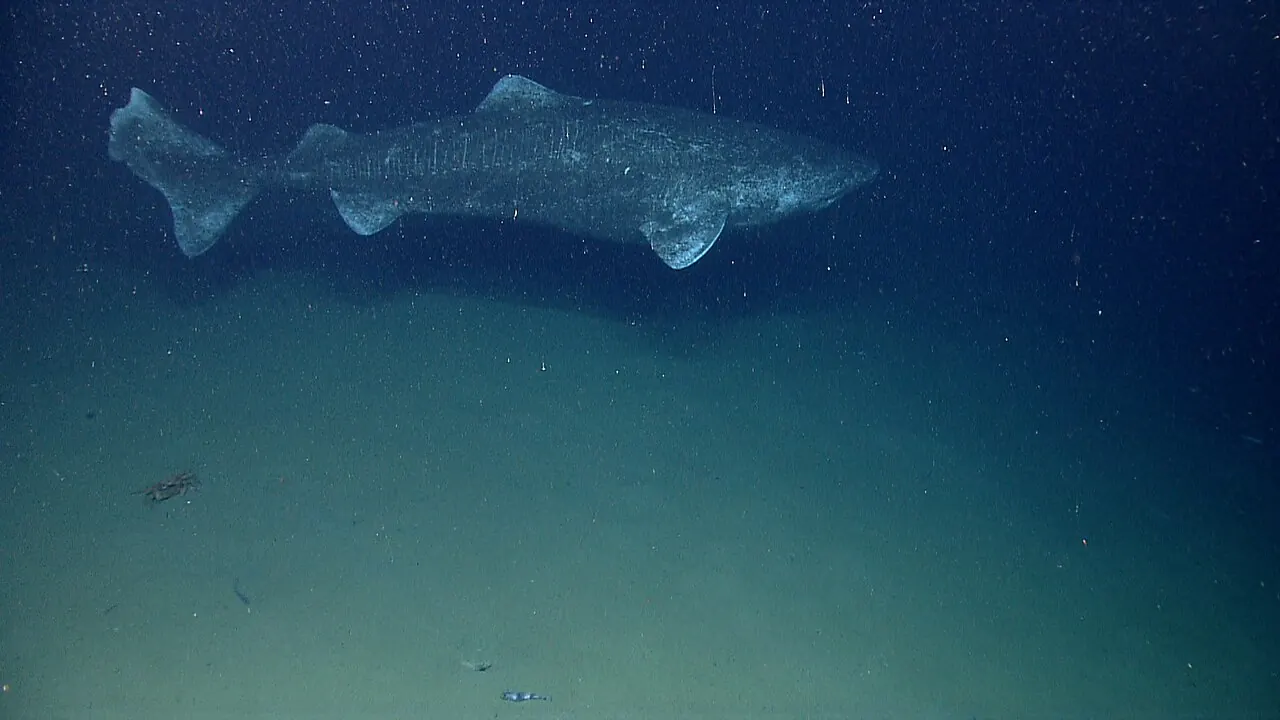
Greenland sharks grow about a centimeter a year and may live for centuries. One was estimated to be around 400 years old.
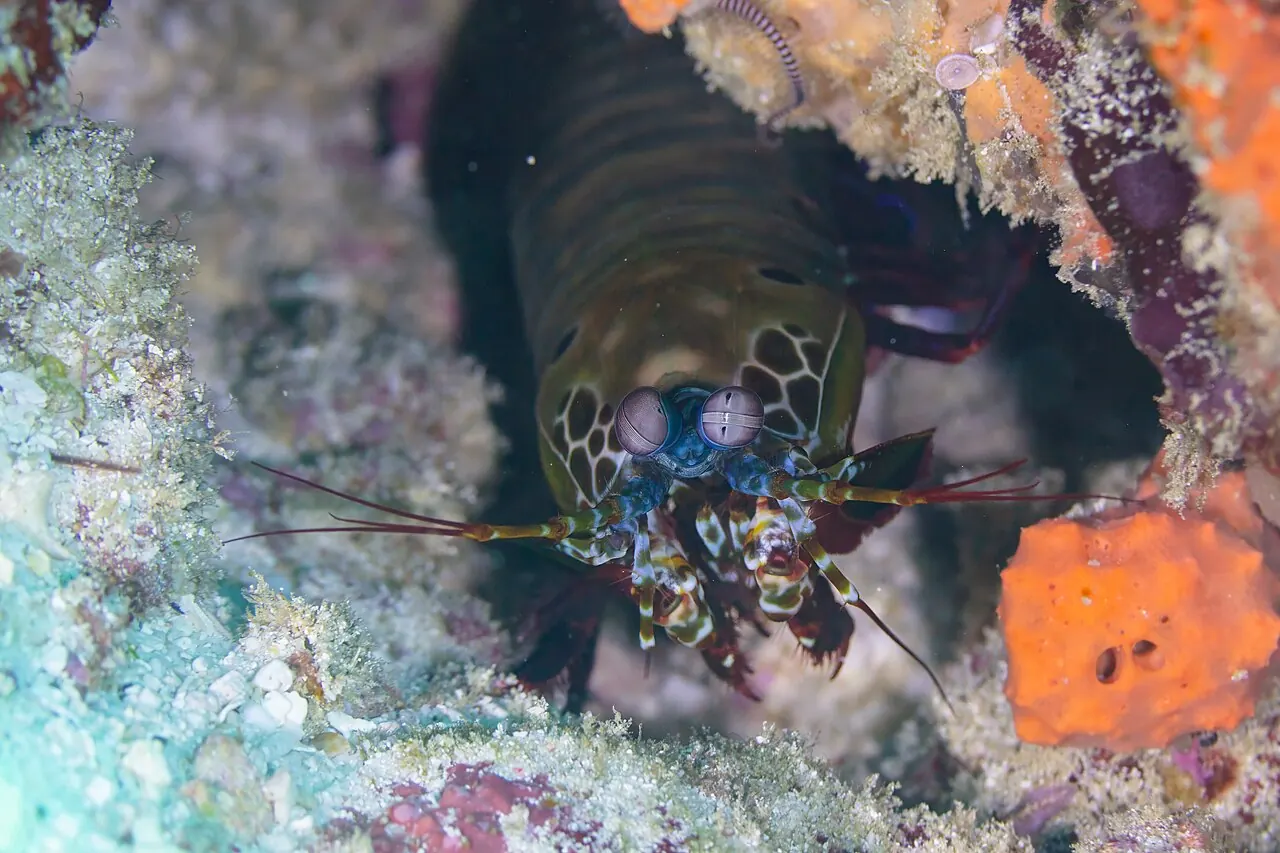
The peacock mantis shrimp strikes faster than almost anything in nature, and every punch lands twice.
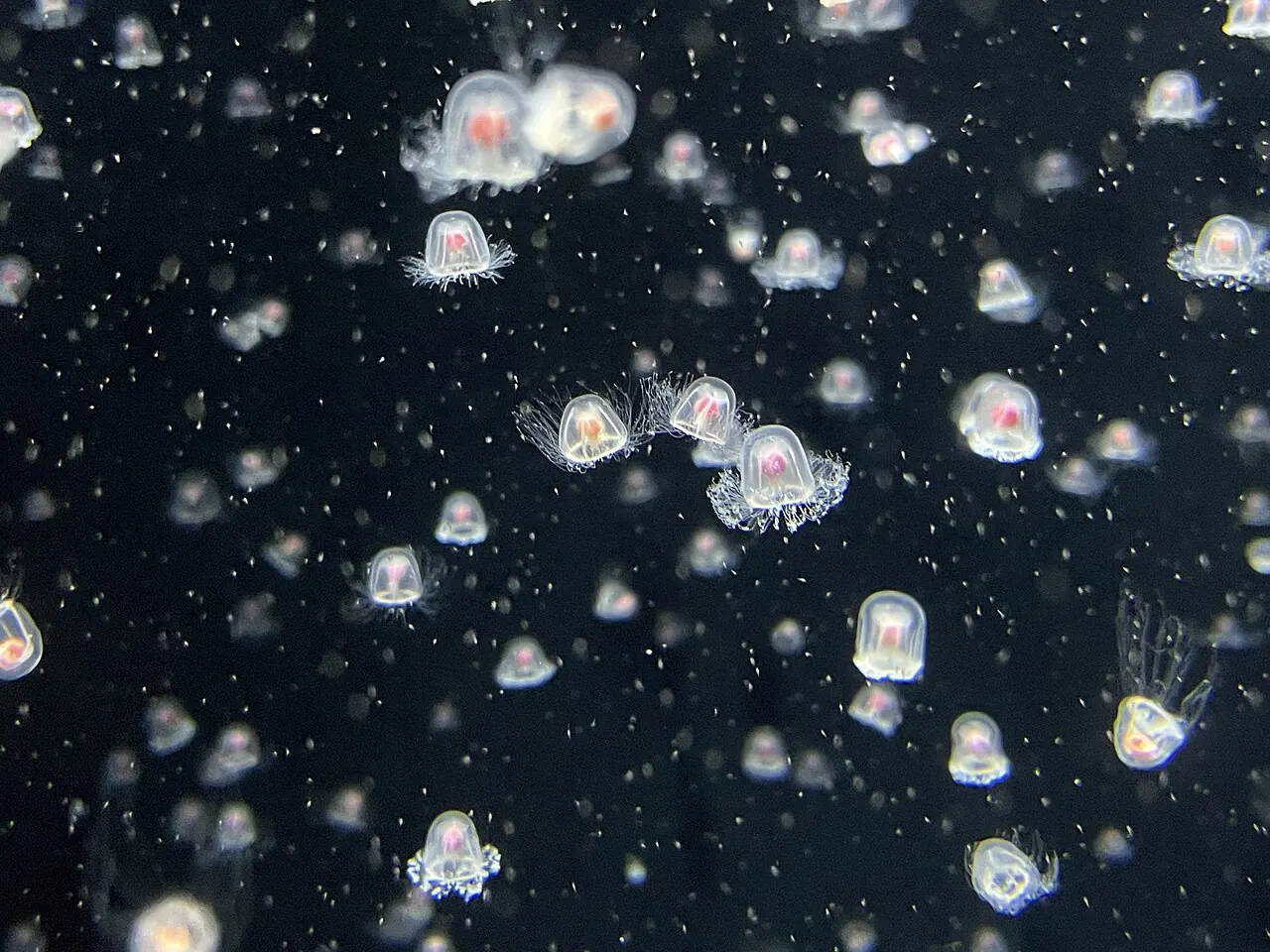
When life gets hard, Turritopsis dohrnii can turn its adult body back into a baby form and start again.
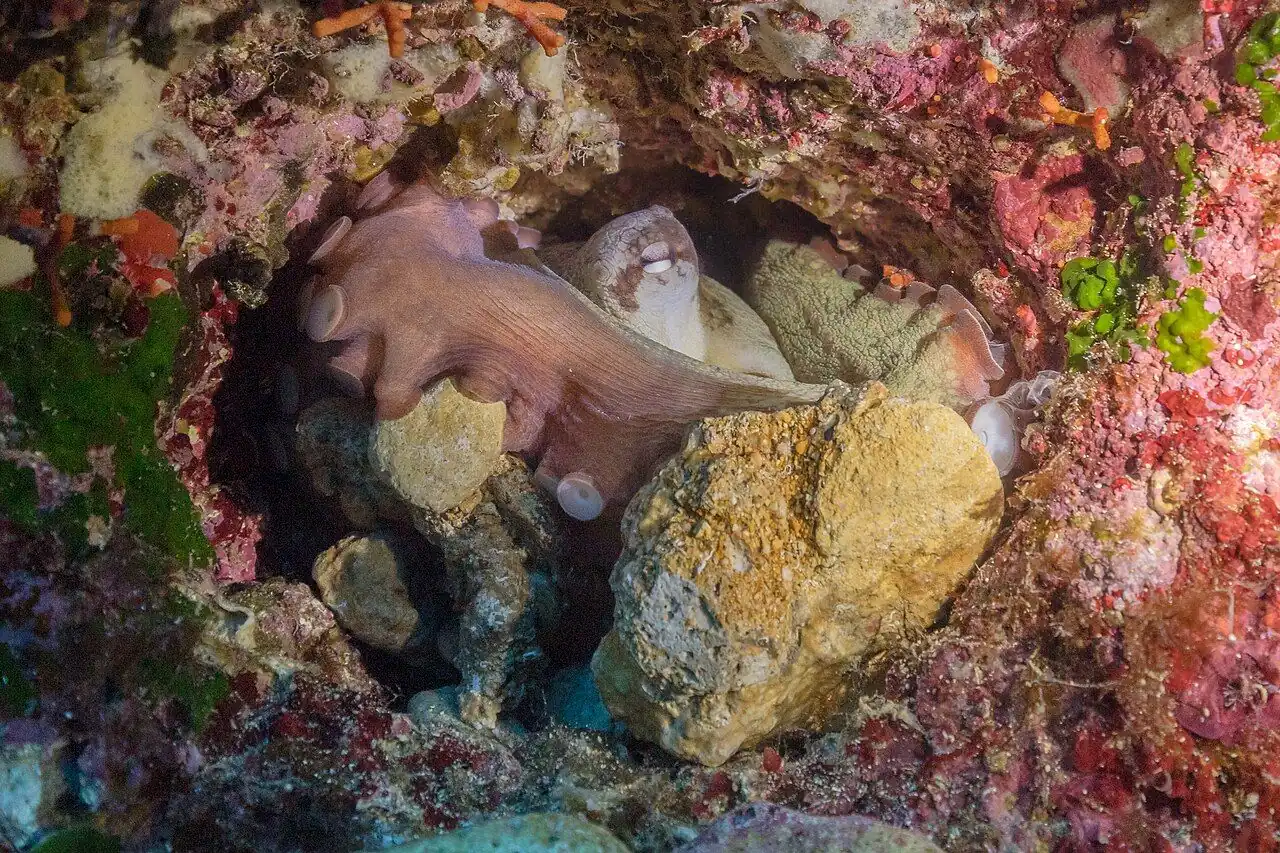
The octopus is built so differently from us that it is the closest thing to an alien we can meet on Earth.
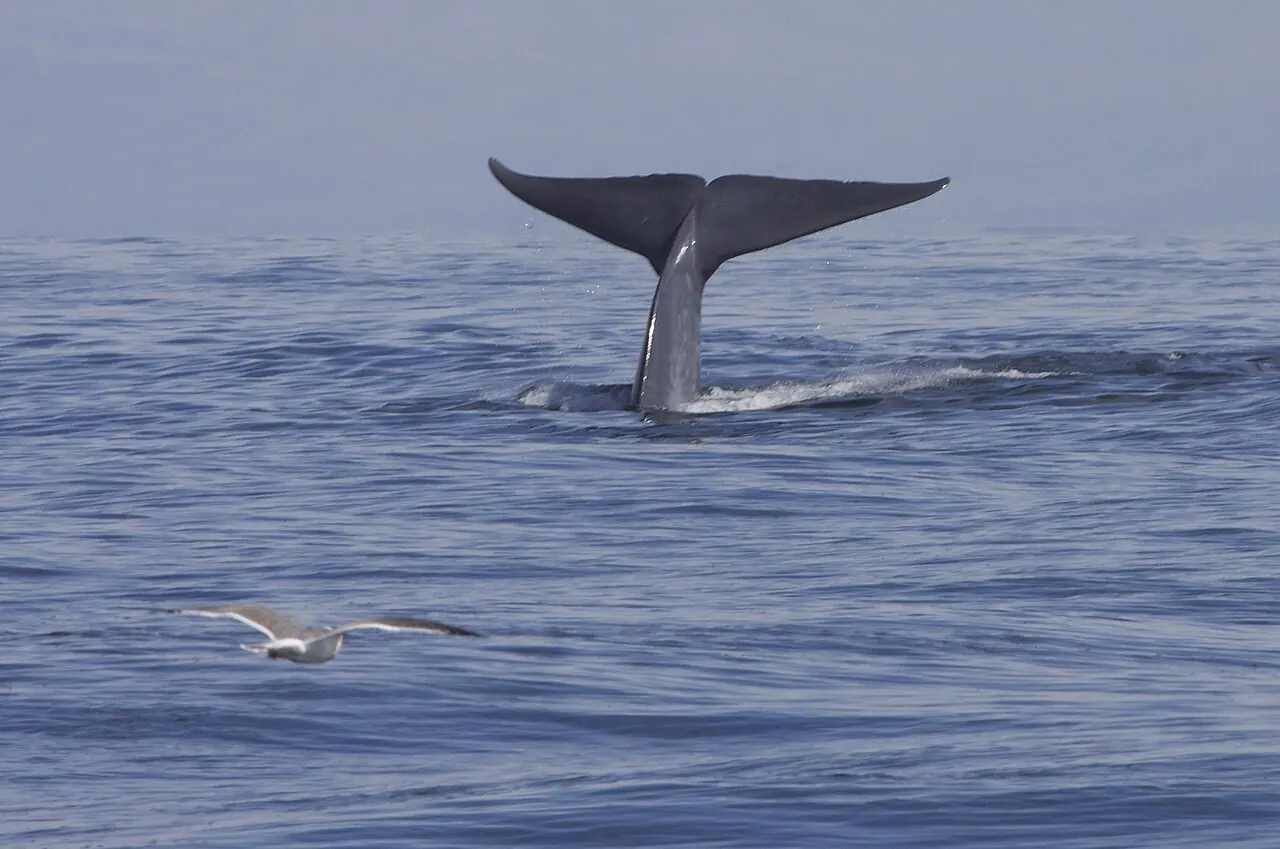
Scientists stuck a sensor on the largest animal that has ever lived and listened to its heart for eight and a half hours.
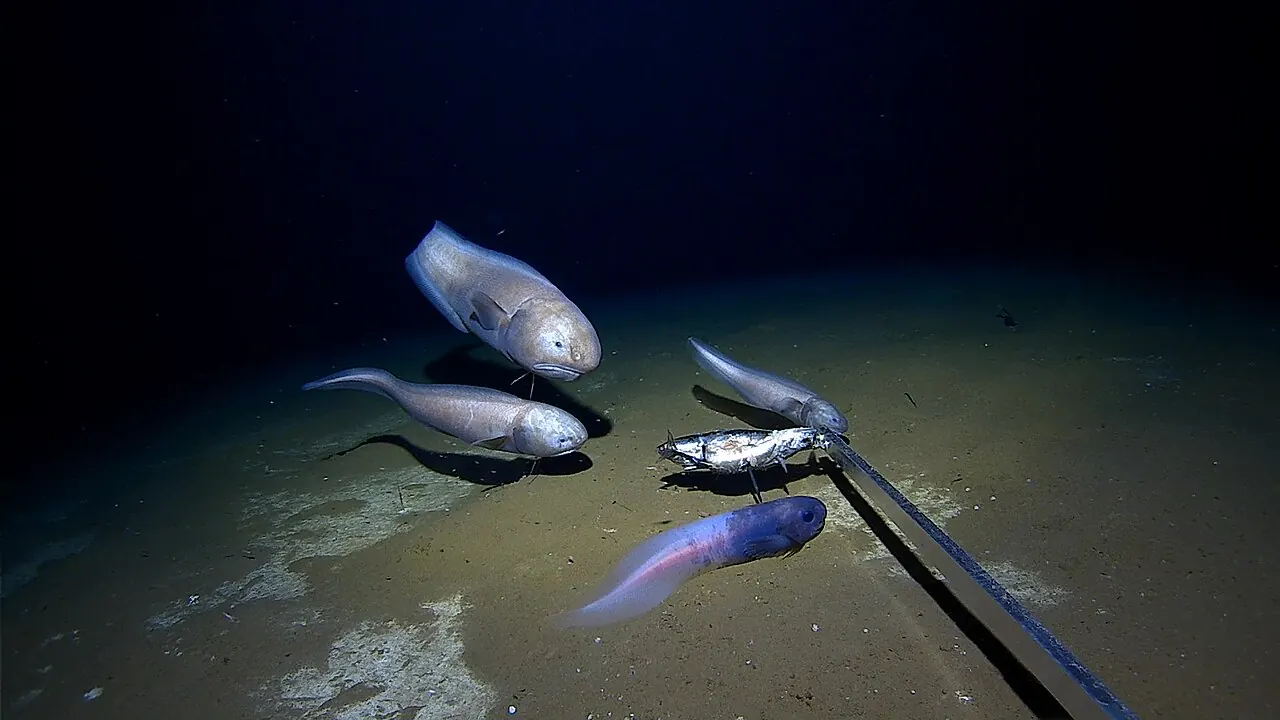
In a trench off Japan, a camera caught a small pale snailfish living under pressure that would crush a submarine.
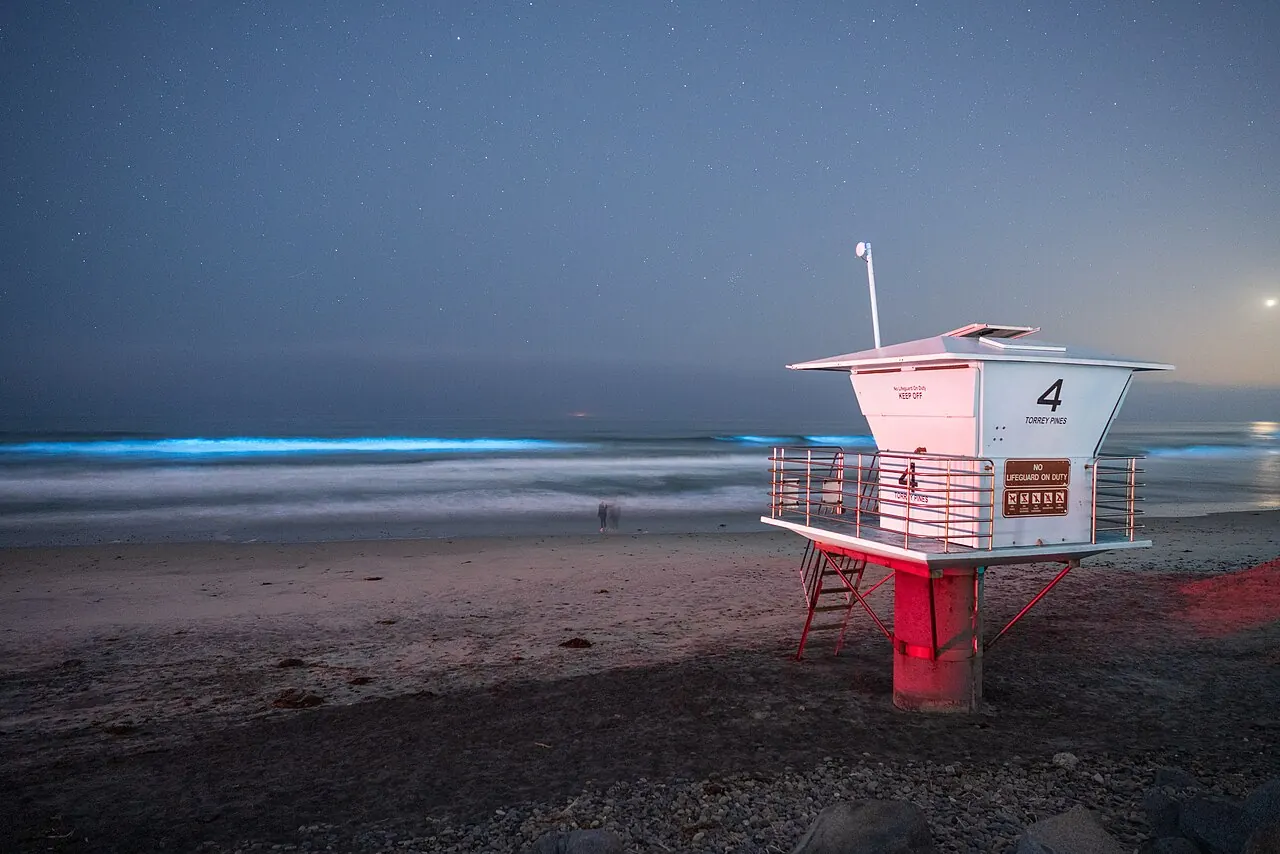
Below where sunlight reaches, the ocean is still full of light, and the animals make it themselves.
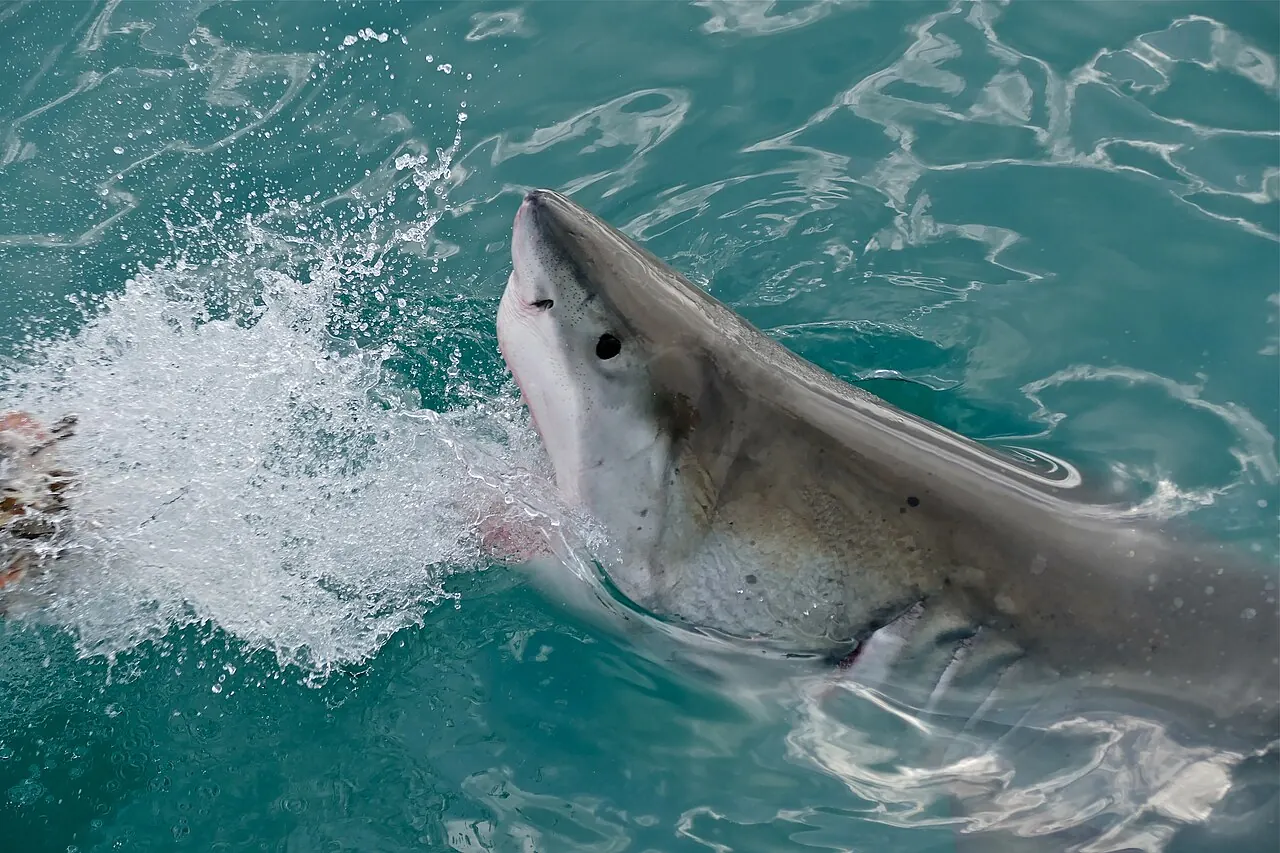
The earliest signs of sharks date back around 450 million years. The first trees appeared tens of millions of years later.