Deepest Known Explosive Eruption Rocks Found Near the Challenger Deep
A robot diving more than 6 kilometers down southwest of Guam found flat, welded rock flows that its team says came from explosive deep-sea eruptions.

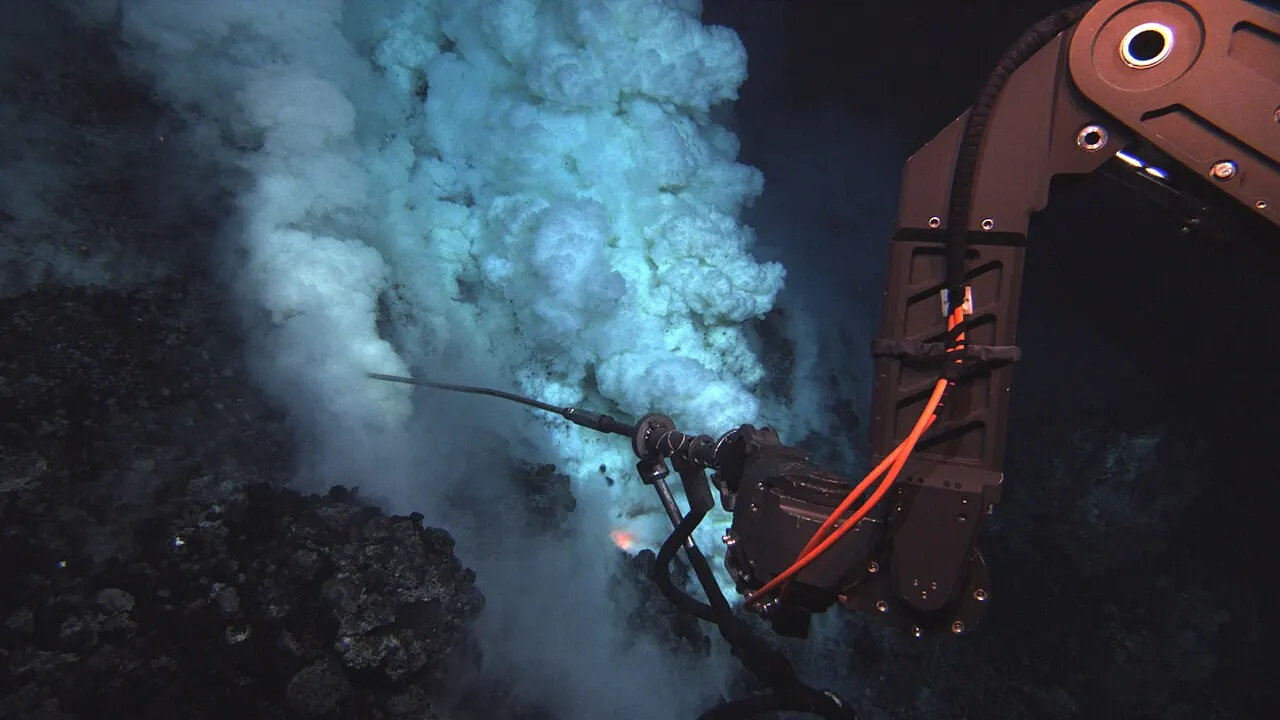
The rock lay in thin, flat sheets on a steep slope, cracked into neat rectangles like old pavement. Some sheets ended in rounded lobes, each one 1 to 2 meters wide. A robot's cameras found them more than 6,100 meters (about 20,000 feet) below the surface, on the underwater wall that drops toward the Challenger Deep, the deepest point in the ocean.
According to a study published November 23 in Frontiers in Earth Science, those sheets are the deepest pyroclastic deposits ever recovered. Pyroclastic rock is made of magma that an eruption has torn into fragments. These fragments, the team says, came from hot flows that ran downhill. On land, that is the violent kind of volcano.
The team was led by geologist Robert J. Stern of the University of Texas at Dallas, with coauthors from Woods Hole Oceanographic Institution, Scripps Institution of Oceanography, the University of Tennessee and institutions in Japan, France and Canada. "Explosive volcanism near trenches is unusual, so we were very surprised," Stern said in the journal's announcement.
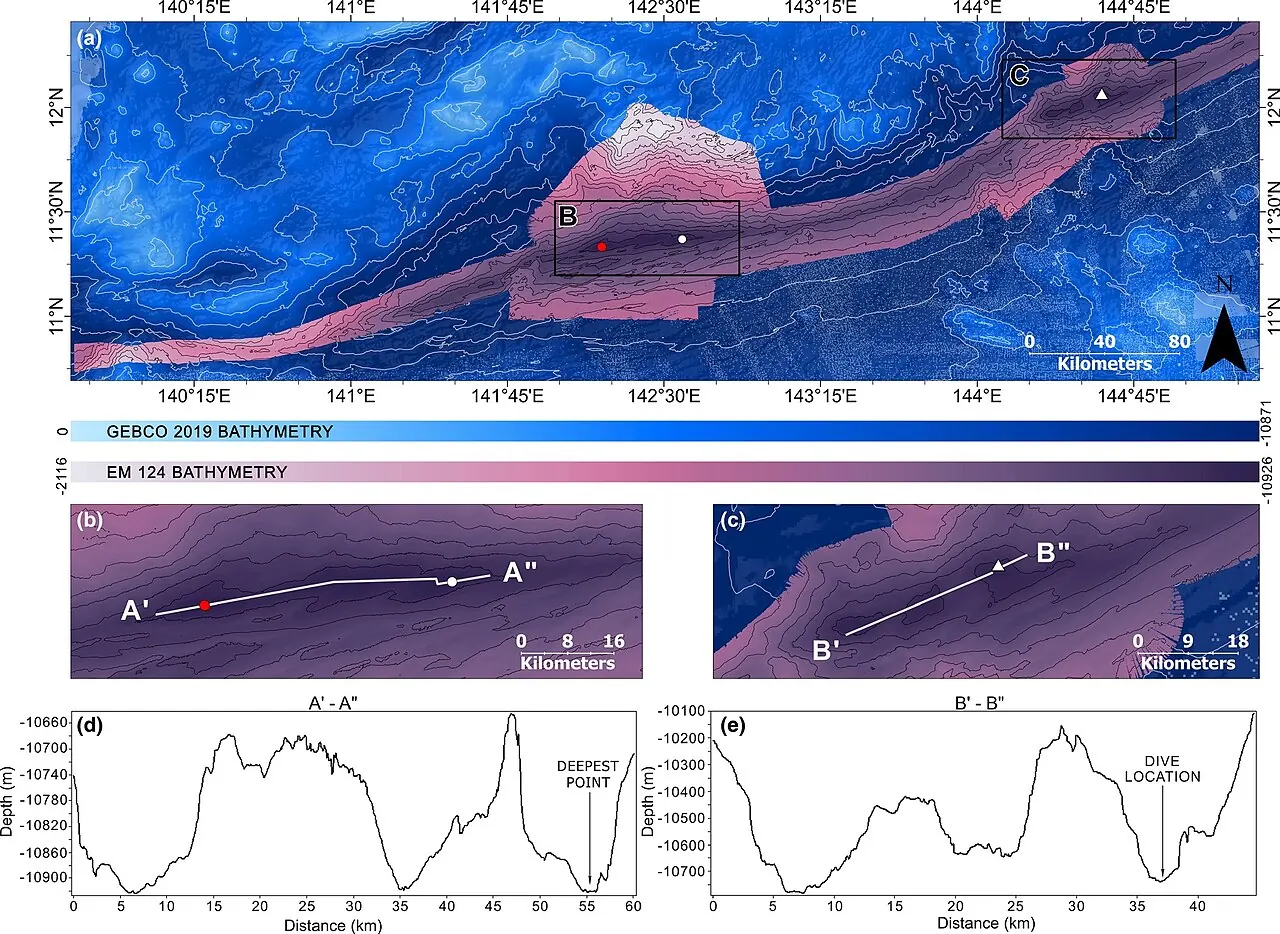
The rocks came from a cruise in late November and early December 2024 aboard the research ship Thomas G. Thompson. The study area is the slope just north of the trench, southwest of the US territory of Guam. The researchers had gone there to study why the trench is so deep.
3 strange things from the deep
One short email a week with the strangest true ocean stories we found. Free. Unsubscribe any time.
See our privacy policy.