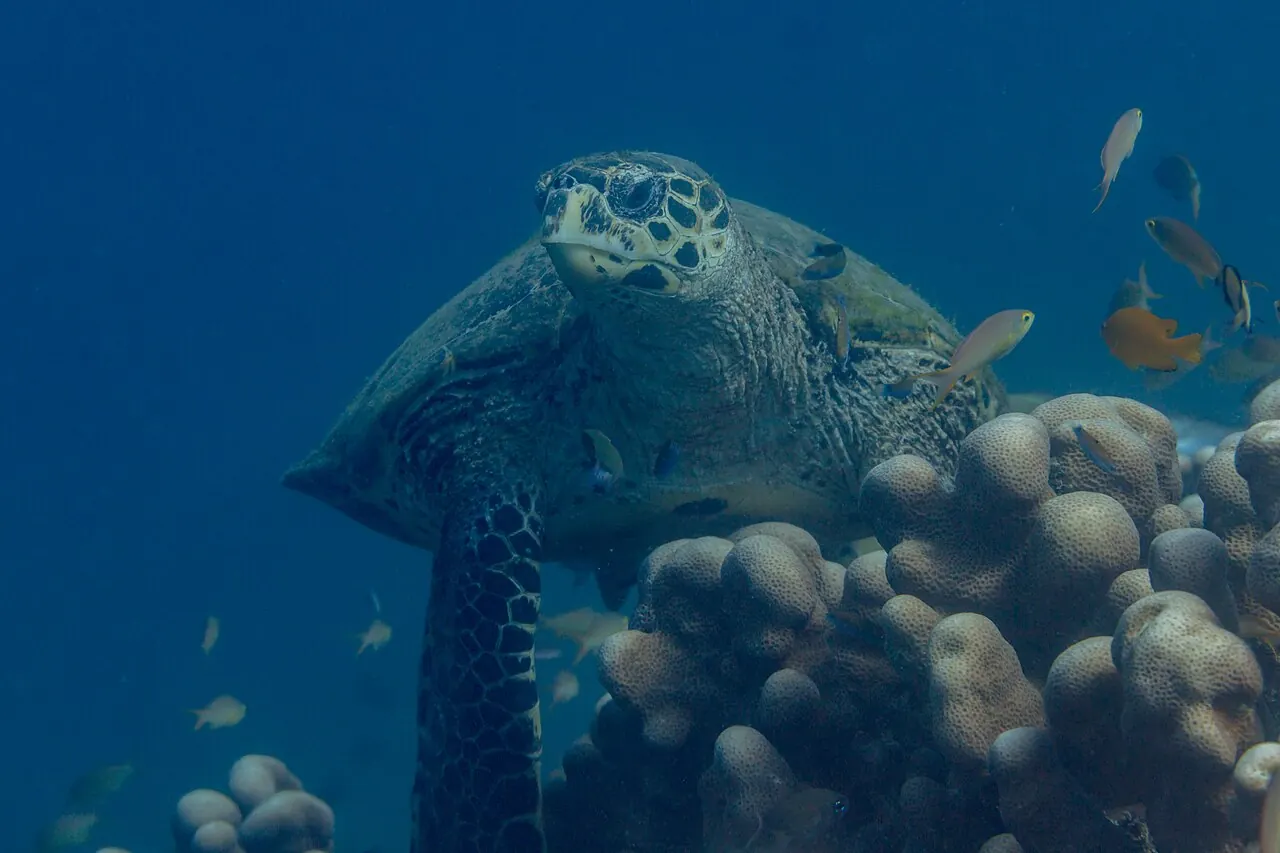
Warm Sand Is Turning Some Sea Turtle Populations Almost All Female
A turtle's sex is set by nest temperature. On the northern Great Barrier Reef, 99% of young green turtles studied were female.

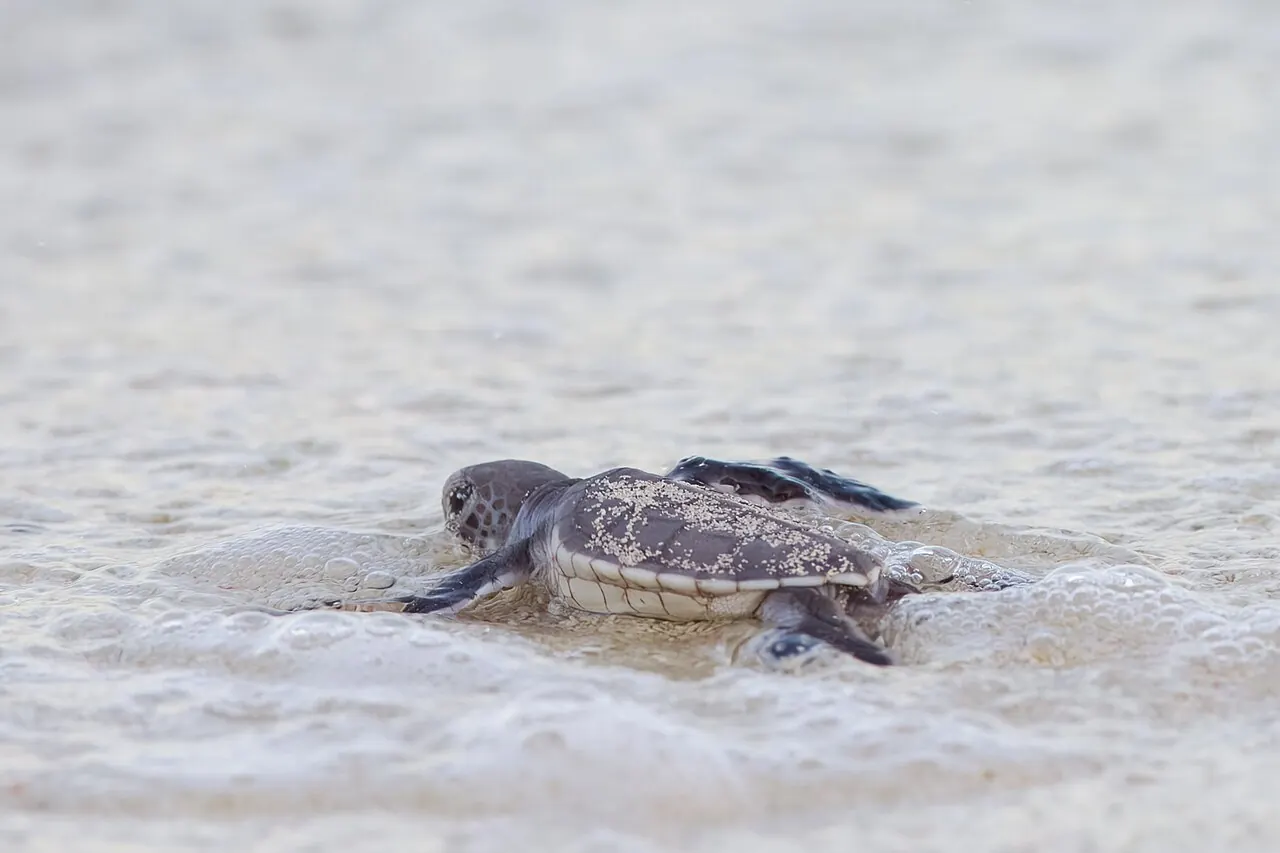
When a sea turtle lays her eggs, the embryos inside are neither male nor female. Their sex is set later, by the warmth of the sand around them.
Sea turtles have what biologists call temperature-dependent sex determination. In NOAA's simple version, eggs that incubate below about 27.7°C (81.9°F) hatch as males. Eggs above about 31°C (87.8°F) hatch as females. In between, a nest produces a mix, and the warmer the sand, the more females. The exact tipping point varies by species and population.
A single beach can turn out both sexes. Nests laid early in the season, or soaked by heavy rain, can run cooler than nests baking in midsummer sun. A cloudy week or the shade of a dune can move a nest a few degrees either way.
Now the sand is getting warmer. In 2018, in the journal Current Biology, a team of NOAA and Australian scientists reported what that looks like at one of the biggest green turtle nesting grounds on Earth, on the northern Great Barrier Reef. Among the young turtles they traced to those beaches, 99.1% were female.
3 strange things from the deep
One short email a week with the strangest true ocean stories we found. Free. Unsubscribe any time.
See our privacy policy.