Sharks Have Been Around Longer Than Trees Page 4

Outliving the end of the world, five times
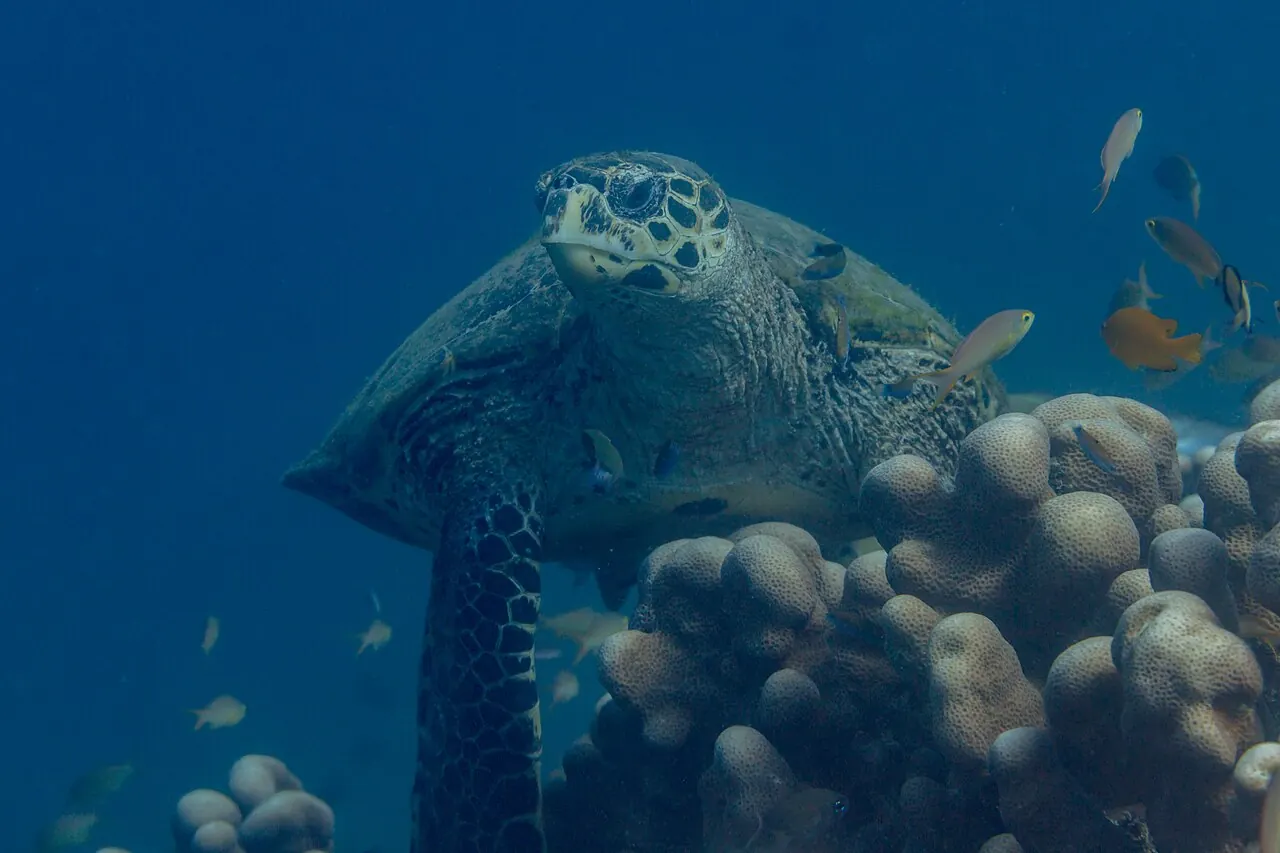
Earth has gone through five great mass extinctions, when huge numbers of species disappeared in a short time. The worst, about 252 million years ago, wiped out most species in the sea.
Sharks, as a group, came through all five.
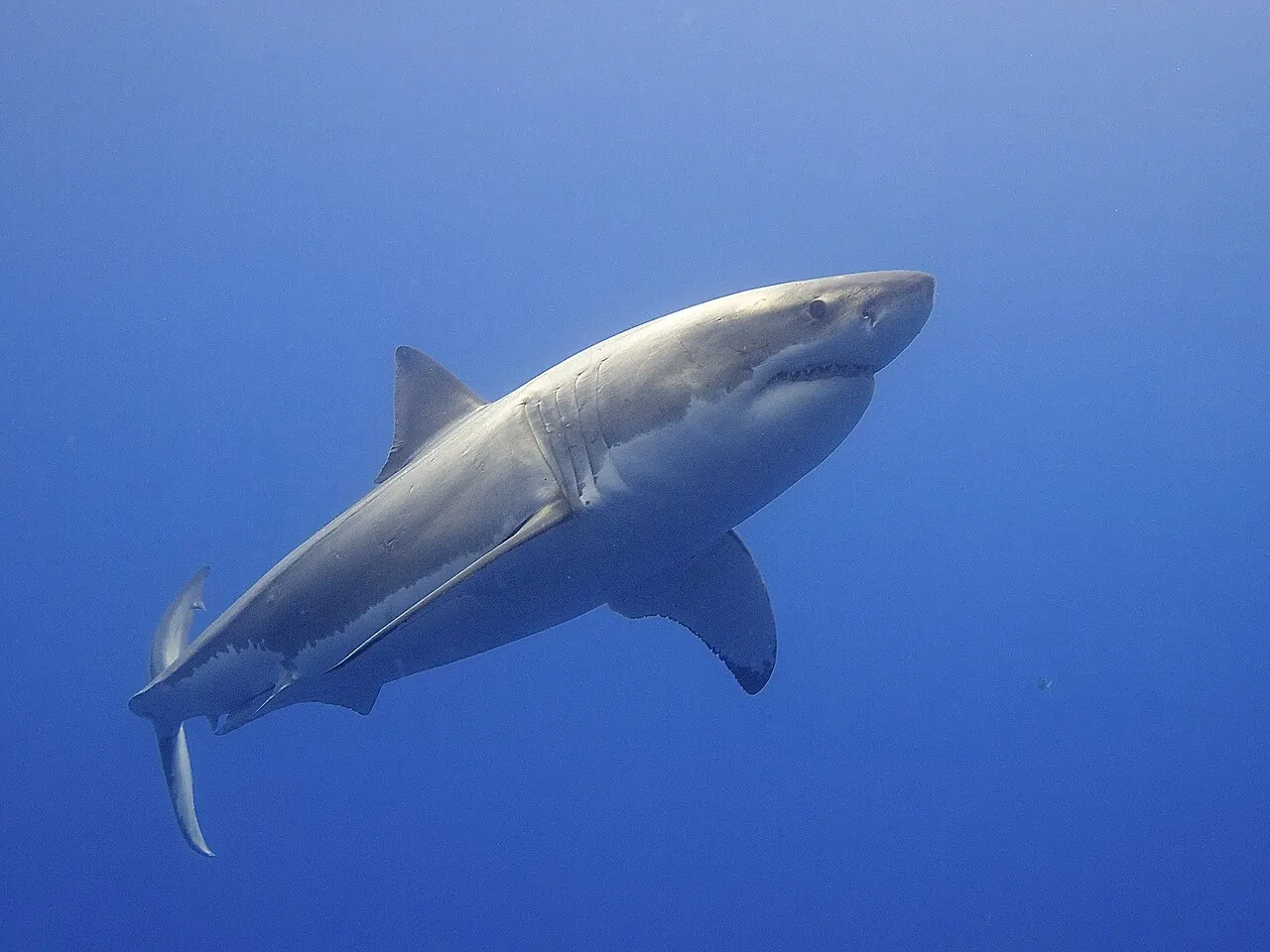
Not every type of shark survived, of course. Many lines died out, and the sharks we know today, like the great white, are much more recent arrivals. But the family kept going and kept adapting, from tiny lantern sharks smaller than your hand to the whale shark, the largest fish alive today. One modern member, the Greenland shark, can live for centuries all by itself.
The survivors kept writing their story in teeth. A shark's teeth sit in rows, new ones moving forward like items on a conveyor belt, and a single shark can shed thousands in a lifetime. That is why shark teeth are some of the most common fossils on Earth, including teeth of megalodon, a giant that died out around 3.6 million years ago and still turns up from Maryland's Calvert Cliffs to the rivers of South Carolina.
Today the group that outlasted every mass extinction faces a new kind of threat. A 2021 global assessment of 1,199 shark, ray and chimera species estimated that more than one-third are threatened with extinction, and overfishing is a threat for every single threatened species on the list.
After 450 million years, the biggest danger to sharks may be us.
Sources
- Sansom et al. (2012), Chondrichthyan-like scales from the Middle Ordovician of Australia, Palaeontology
- Stein et al. (2007), Giant cladoxylopsid trees resolve the enigma of the Earth's earliest forest stumps at Gilboa, Nature
- Stein et al. (2020), Mid-Devonian Archaeopteris Roots Signal Revolutionary Change in Earliest Fossil Forests, Current Biology
- Dulvy et al. (2021), Overfishing drives over one-third of all sharks and rays toward a global extinction crisis, Current Biology
Spotted an error? Tell us and we will fix it and note the change.