The Black Swallower Eats Fish Bigger Than Itself, Sometimes Fatally Page 4

Winning the meal, losing the gamble
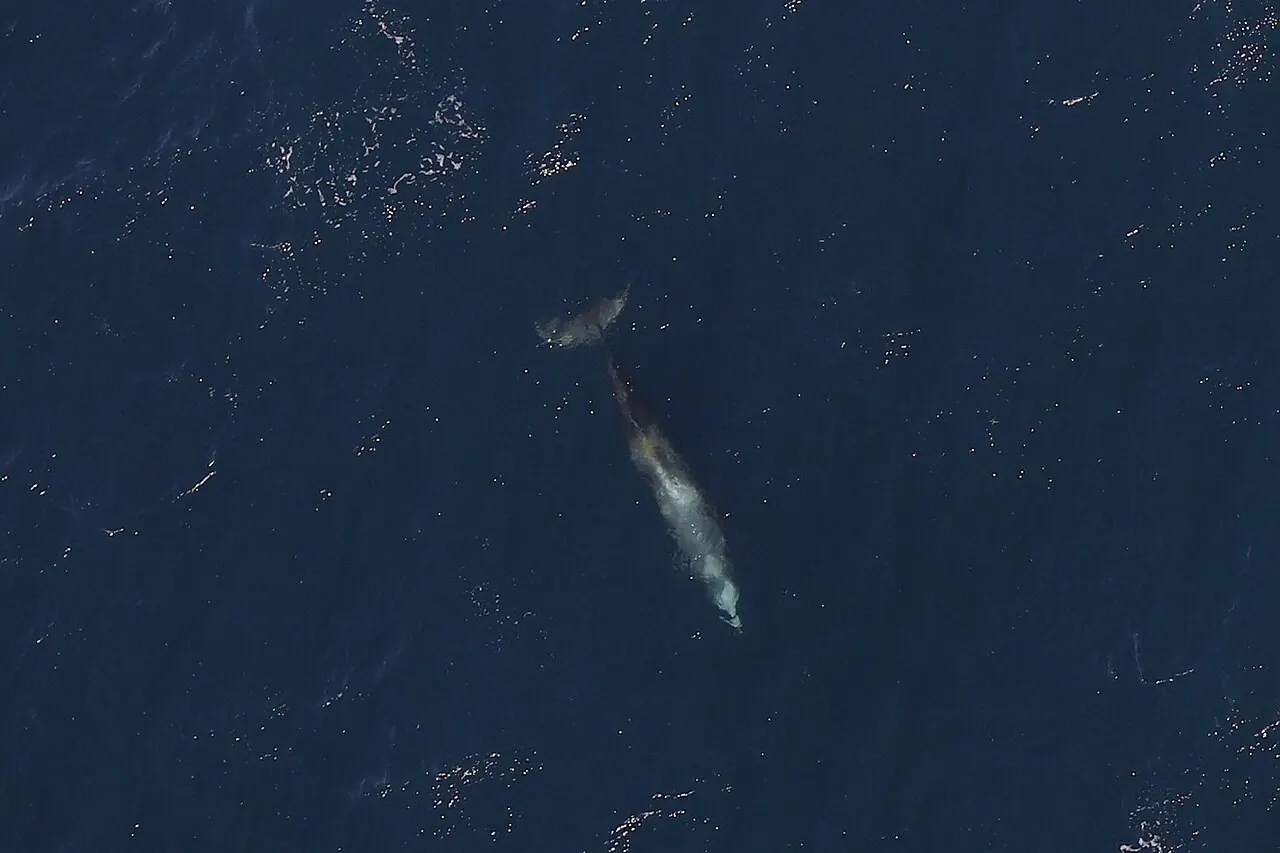
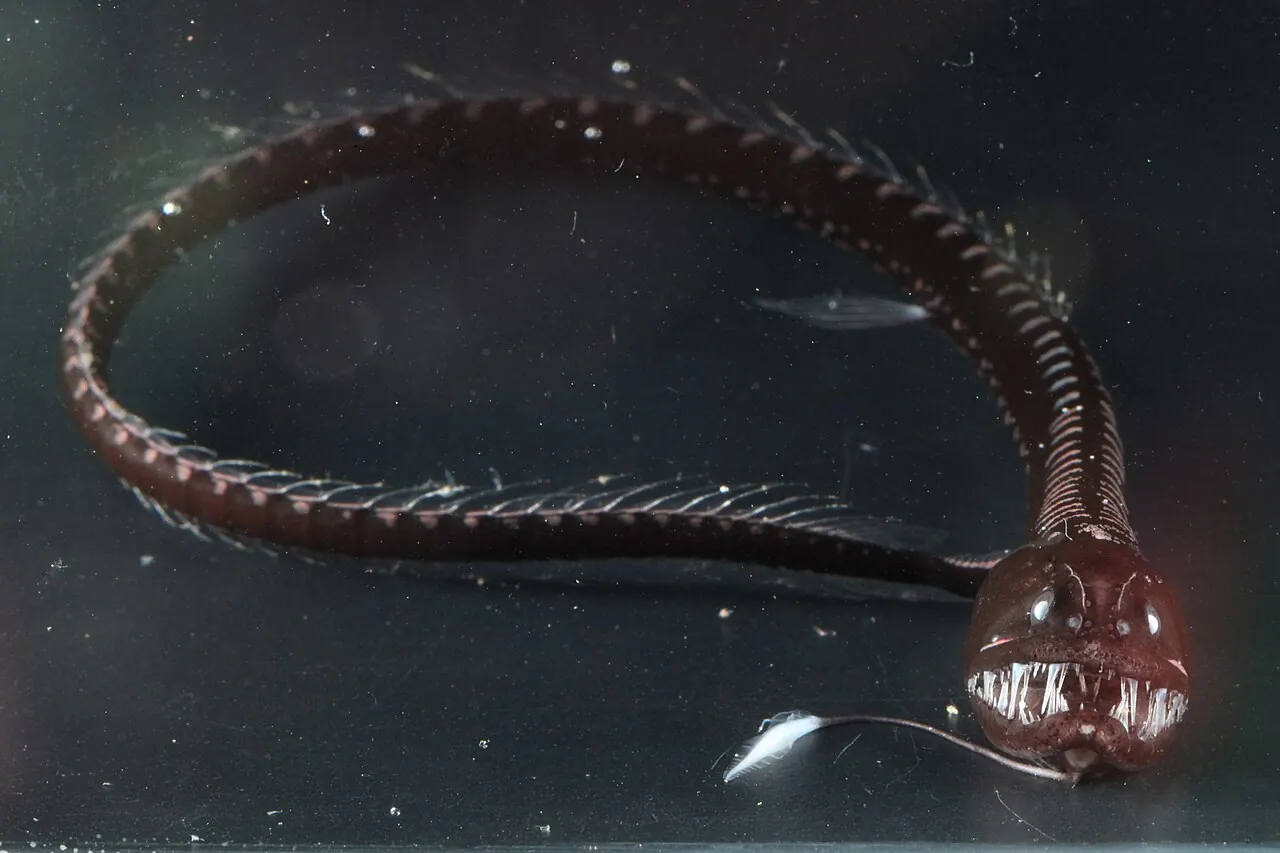
A meal that large takes time to digest, and in the cold deep sea it can start to rot first. As the prey decomposes, gas builds up inside the swallower's stomach, inflating it like a life vest the fish cannot take off. Buoyed by its own dinner, the swallower rises to the surface and dies. That is the usual explanation for why so many specimens turn up dead and bloated.
Scientists have been puzzling over these corpses for more than 160 years. The species was described in 1864 by the naturalist James Yate Johnson, from a fish taken off Bermuda. In 2009, the ichthyologist Marcelo R. S. Melo re-examined the whole genus and recognized seven Chiasmodon species, two of them new to science. His revision places the black swallower across the tropical North Atlantic, including the Gulf of Mexico and the Caribbean. The deep Gulf, off the US coast, is part of this fish's home range.
The dead have even sketched out the fish's life story. Catch records compiled in FishBase show juveniles living in the top 1,050 meters, while bigger fish average around 1,390 meters down, about 4,600 feet, most of a mile beneath the surface.
The corpses are what rise. Nearly everything else about the black swallower's life has stayed where it happens, a mile down in the dark.
Sources
- Woods Hole Oceanographic Institution, Black swallower (Ocean Facts)
- Melo (2009), Revision of the Genus Chiasmodon (Acanthomorpha: Chiasmodontidae), with the Description of Two New Species, Copeia
- Discover Magazine (2007), Little fish eats big fish, explodes, dies
- FishBase, Chiasmodon niger (Black swallower)
Spotted an error? Tell us and we will fix it and note the change.