Common Fangtooth
Anoplogaster cornuta
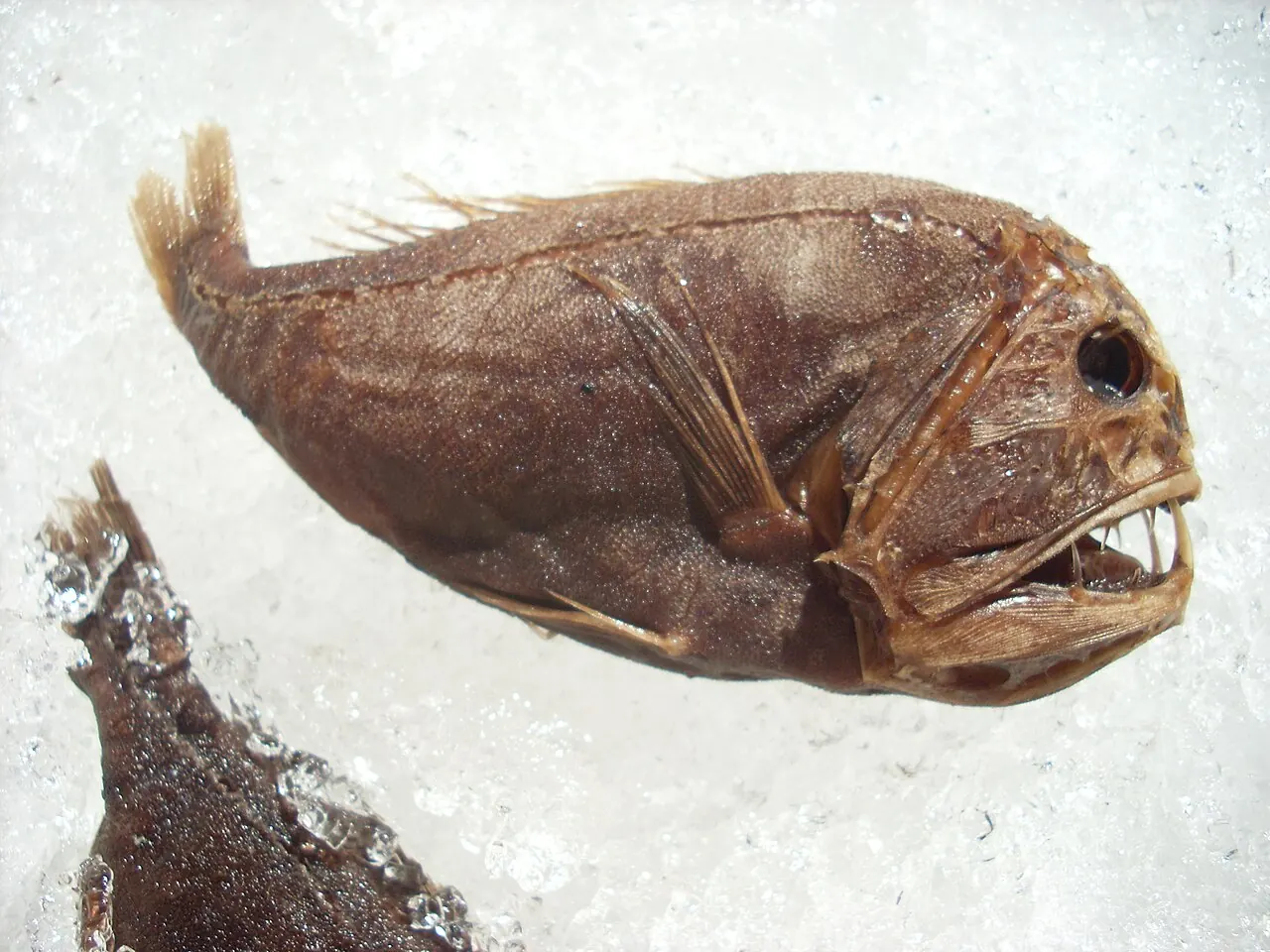
A small, big-headed deep-sea fish whose lower fangs are so long they slide into pockets in the roof of its mouth.
Photo: Brian Suda / CC BY-SA 2.0
3 things to know
- Relative to the size of its head, it has the largest teeth of any marine fish.
- Its jaws hold only 14 teeth, and the big fangs show no sign of being replaced.
- Young fangtooths look so different from adults that they were long thought to be another species.
- Scientific name
- Anoplogaster cornuta
- Depth
- 500 m – 2,000 m
1,640 – 6,562 ft - Size
- About 16–18 cm (6–7 in) long
- Weight
- Unknown
- Lifespan
- Unknown
- Diet
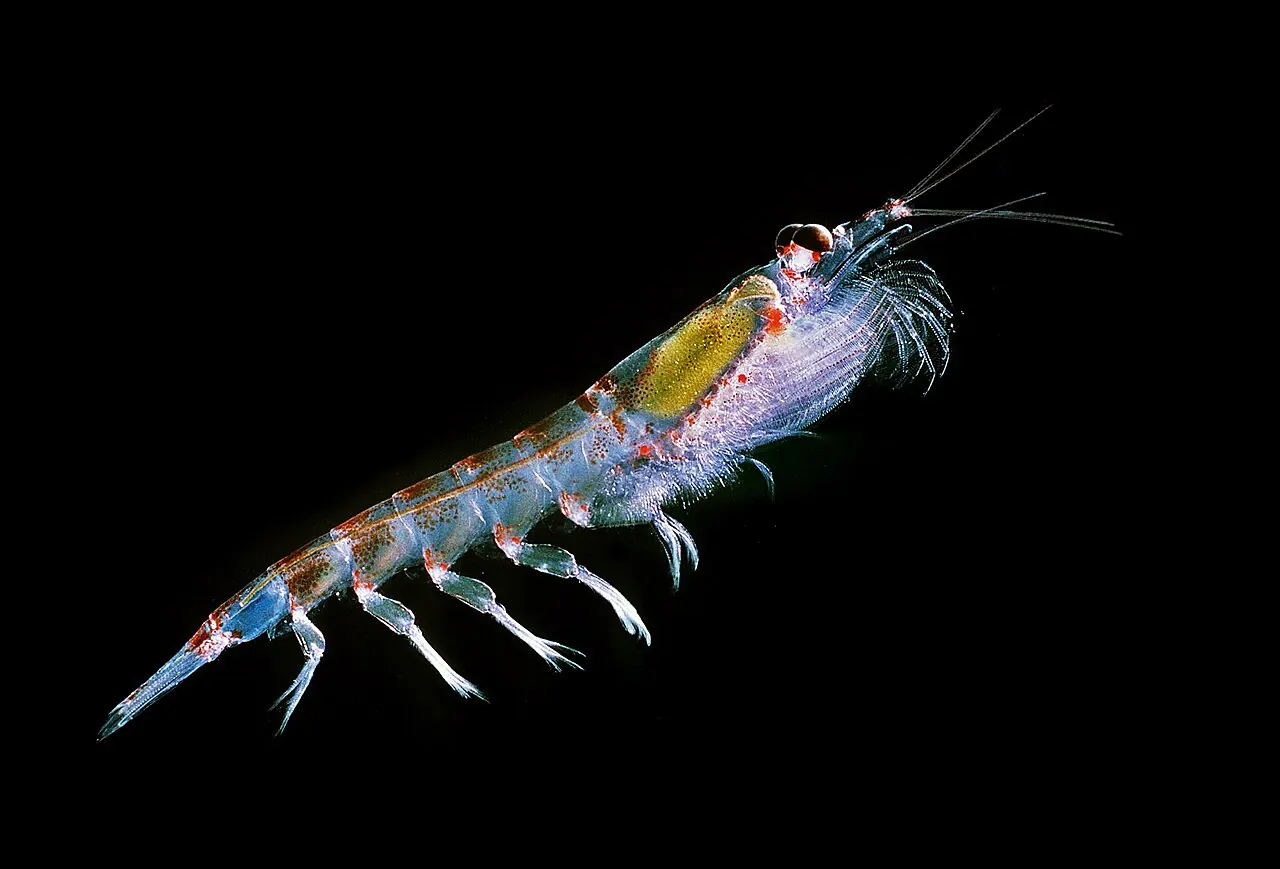
- Small crustaceans when young; mainly fish and shrimp as adults
- Where
- Tropical to temperate seas worldwide
- IUCN status
- Least Concern
- Depth zones
- Twilight · Midnight
A common fangtooth is a small fish with a big head, and most of the head is mouth. Adults reach only about 16 to 18 centimeters (6 to 7 inches), with the head taking up about a third of that. Relative to head size, the species has the largest teeth of any marine fish, according to a 2022 study in PLOS ONE. The two front fangs of the lower jaw are so long that the fish cannot fully close its mouth. As it shuts, they slide into pockets in the roof of the mouth.
The fangtooth lives in tropical to temperate seas around the world. FishBase says adults occur mainly between 500 and 2,000 meters (about 1,600 to 6,600 feet) deep, and the PLOS ONE team notes they have been caught anywhere from 75 to 5,000 meters. Its genus has one other species, the shorthorn fangtooth, which Woods Hole Oceanographic Institution (WHOI) describes as about half the size.
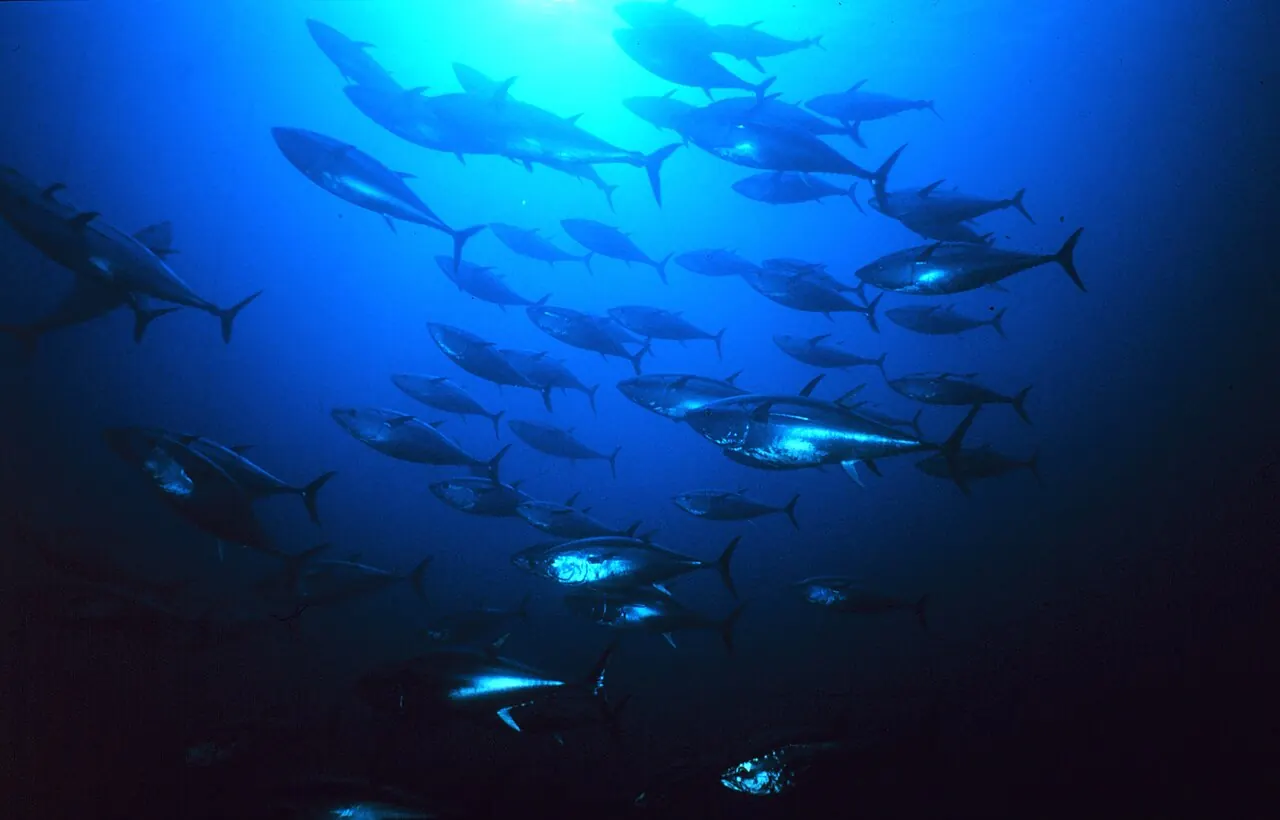
The young look nothing like their parents. Juveniles have long spines on the head, big eyes and only small teeth, and the two stages were long thought to be separate species. Juveniles eat mostly small crustaceans. The big fangs start growing in the lower jaw at about 2 centimeters (under an inch) of body length. Adults hunt fish and shrimp and swallow them whole, and their prey can reach a third of their own body size. Tuna, albacore and marlin eat fangtooths in turn.
The 2022 study, by a team in Germany, counted 14 teeth in the jaws: three on each side of the upper jaw and four on each side of the lower. All were clear and fused firmly to the bone, with no enamel-like cap, and in the adults they examined the researchers found no sign that the big fangs are replaced. The dark skin hides the fish as well. WHOI says it absorbs 99.5 percent of the light that hits it.
FishBase records that the fangtooth lays eggs and has drifting larvae. How long it lives is not known. The IUCN Red List rates it as Least Concern.