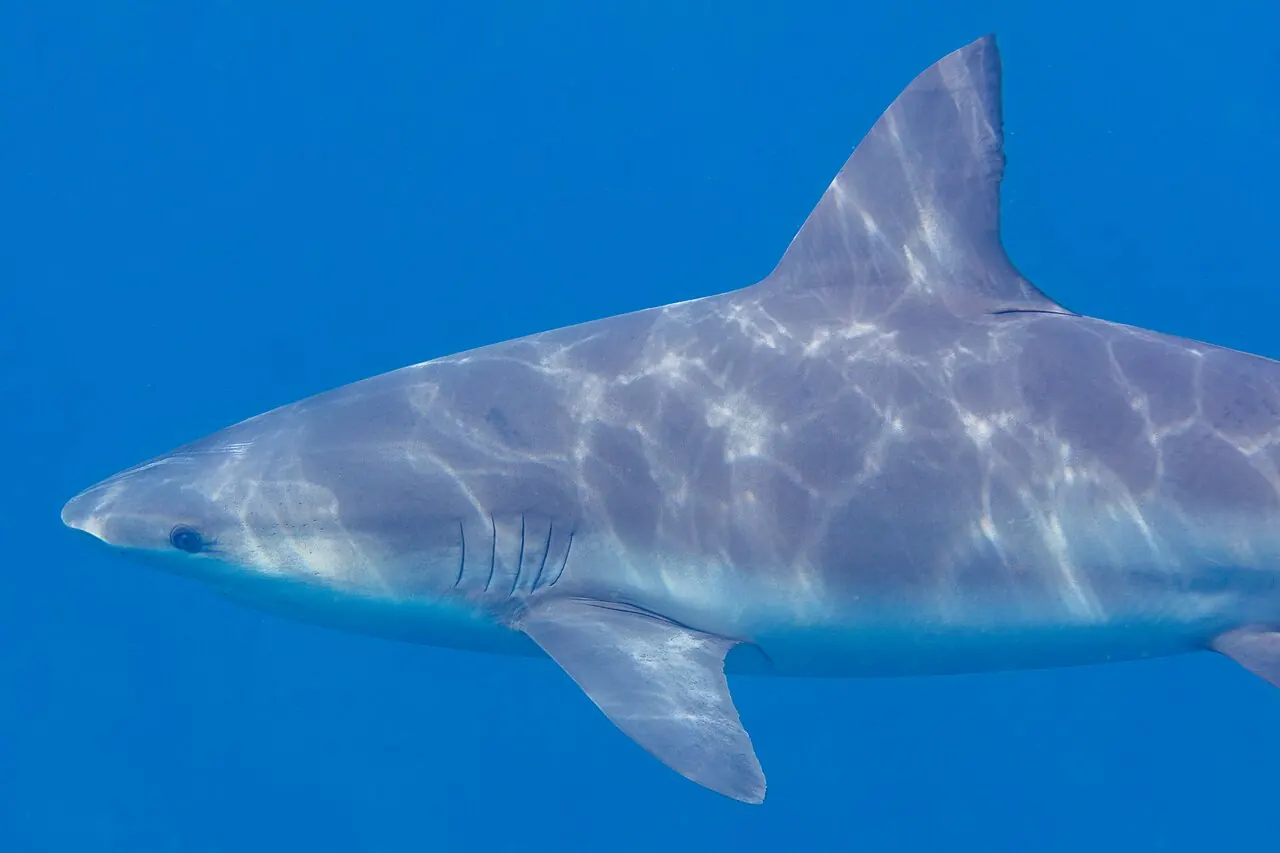
Bull Shark
Carcharhinus leucas
A stocky coastal shark that moves easily into fresh water and has been reported thousands of kilometers up the Amazon and the Mississippi.
Photo: Diego Delso / CC BY-SA 4.0
3 things to know
- Bull sharks have been reported 3,700 km (2,300 mi) up the Amazon River in Peru.
- Young bull sharks grow up in low-salinity river mouths, lagoons and estuaries.
- The species can also tolerate very salty water, up to 53 parts per thousand.
- Scientific name
- Carcharhinus leucas
- Depth
- 1 m – 30 m
3 – 98 ft - Size
- Commonly about 2.6 m (8.5 ft) long; can grow to about 3.4 m (11 ft), with a maximum reported length of 4 m (13 ft)
- Weight
- Maximum reported weight about 317 kg (698 lb), an IGFA record
- Lifespan
- At least 32 years (maximum reported age)
- Diet
- Mostly bony fishes and small sharks; also stingrays, sea turtles, dolphins, crabs, shrimp, seabirds and squid
- Where
- Warm coastal waters, estuaries and rivers worldwide; along the US Atlantic coast as far north as Massachusetts in summer
- IUCN status
- Vulnerable
- Depth zones
- Sunlight
Few sharks are as comfortable in fresh water as the bull shark. It is a heavy-bodied, plain gray shark with a pale belly, a short, blunt snout and small eyes. The Florida Museum suggests the small eyes reflect how little vision may matter in the murky water it often lives in. Adults commonly reach about 2.6 meters (8.5 feet) and can grow to about 3.4 meters (11 feet).
Bull sharks live along warm coasts worldwide, usually in water less than 30 meters (100 feet) deep, and they swim readily into bays, harbors, lagoons and river mouths. They have been reported 3,700 kilometers (2,300 miles) up the Amazon River in Peru and more than 3,000 kilometers (1,860 miles) up the Mississippi River, in Illinois. A population in Lake Nicaragua was once thought to be landlocked, until it was shown to reach the sea through rivers and estuaries. In the western Atlantic, bull sharks follow warming water north along the US coast in summer, as far as Massachusetts, and head back south when it cools.
Bony fish and small sharks make up most of the diet: mullet, tarpon, catfish, menhaden, snook, jacks and other schooling fish. Bull sharks also take stingrays, sea turtles, dolphins, seabirds and even dogs. They look sluggish cruising near the bottom but can sprint at more than 19 kilometers per hour (11 mph) over short distances.
Pups are nourished through a yolk-sac placenta and born after 10 to 11 months, 1 to 13 at a time. In the Gulf of Mexico, mating happens in summer and births follow the next April to June, often in low-salinity estuaries that serve as nurseries. Females mature at about 18 years.
Their habit of hunting in shallow, warm water near towns brings bull sharks close to swimmers, and FishBase calls the species probably the most dangerous tropical shark. It is considered the likely culprit in the 1916 New Jersey attacks, three of which happened in Matawan Creek, a tidal river about 12 meters (40 feet) across and more than 24 kilometers (15 miles) from the open ocean, though the Florida Museum notes that some evidence also points to a white shark caught nearby and the case is not resolved. Longlines and nets catch bull sharks around the world, and the IUCN lists them as Vulnerable.



